Building an online presence without social media sounds almost rebellious, but for many small businesses, it is simply practical.
Not every brand thrives on constant posting, endless trends, or the pressure to be “always on”. Some just want visibility, trust, and customers without dancing on TikTok or arguing with algorithms.
The good news is that you can build strong digital credibility without touching a single social platform.
Search-driven discovery, owned channels, and high-intent content can carry your business further than likes ever will.
If you want a presence that works quietly and consistently, this path is not only possible, it is often more effective.
How Can a Business Grow Online Without Social Media?
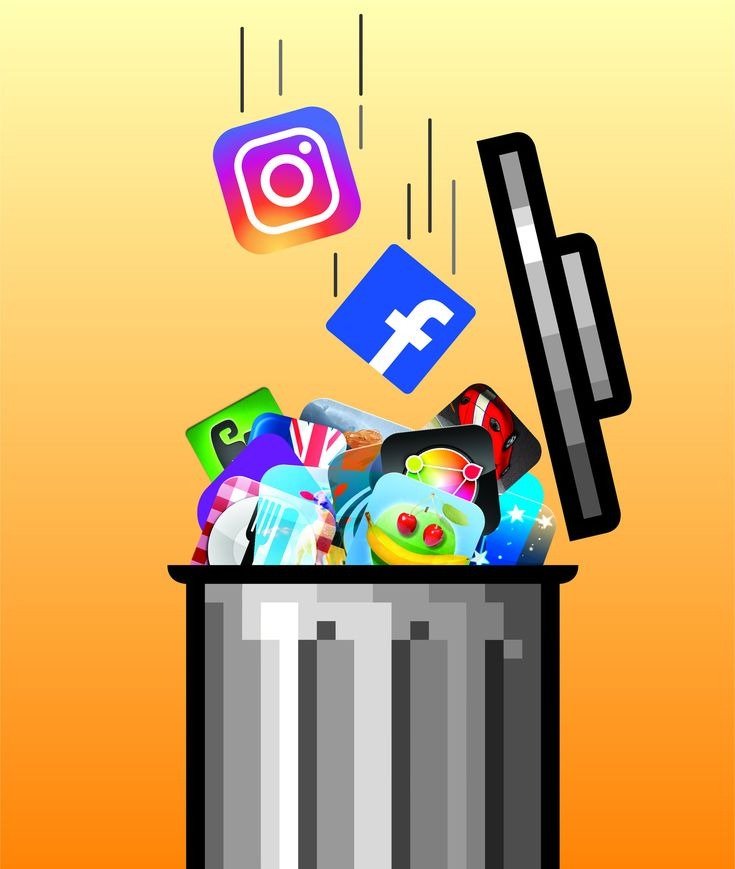
Growing a business online without relying on social networks is not only possible, it is increasingly common.
Companies are turning toward more stable, long-lasting channels instead of depending on algorithms.
To build an online presence without social media, start by treating your website as the central hub. A well-optimized website, combined with content marketing, search-engine optimization (SEO), consistent outreach, and reputation management, can drive steady traffic and leads.
First, ensure your website is search-engine friendly. Use quality content, fast loading times, mobile optimization, and clean navigation.
These elements improve user experience and make search engines more likely to rank your site—which increases organic visibility over time.
Next, create content that addresses the needs and questions of your target audience. This establishes authority, builds trust, and attracts visitors who are actively looking for the solutions you offer.
Over time, those visitors convert into paying customers or subscribers, often at a more stable rate than social media-sourced leads.
Then widen your approach by using email marketing, guest articles, online listings, and customer reviews to extend the reach of your brand.
By doing this consistently, you build a durable online presence that doesn’t rely on social platforms.
Many businesses using these techniques find they can build visibility, attract customers, and grow revenue even while ignoring social media completely.
If social platforms feel like a distraction or drain, this path offers a quieter but more reliable alternative—one that focuses on value, presence, and reputation rather than trend cycles.
What are the Most Effective Channels Besides Social Media?
To build an online presence without social media, it helps to know which digital channels deliver strong returns.
Here are some of the top-performing alternatives.
Email Marketing: High ROI, Direct Reach
Email remains the highest-return digital channel for many businesses. According to recent data, for every $1 invested in email marketing, companies earn about $36 in return.
Email marketing gives you direct access to your audience, without worrying about algorithms, platform changes, or feed suppression.
Whether you send regular newsletters, product updates, offers, or nurture sequences, email lets you maintain control over timing and delivery.
It’s especially powerful for nurturing leads, re-engaging past customers, or delivering valuable content over time.
Automation and segmentation make email even more effective.
By sending targeted content, personalized based on user behavior or demographics, you can boost open rates and conversions.
Over time this builds trust, loyalty, and repeat business. For many businesses, this channel alone accounts for a substantial portion of online revenue.
SEO & Content Marketing: Long-Term Visibility
Search engine optimization (SEO) and content marketing are at the heart of any robust online presence that doesn’t rely on social media.
By consistently publishing high-quality content — blog posts, articles, guides, how-tos, you give potential customers a reason to find you when they search for topics related to your niche.
A content-rich, SEO-optimized website becomes a magnet for organic traffic. As your pages rank for relevant keywords, more people find you without paid ads or social posts.
Over time, this organic discoverability compounds: older posts continue to bring in traffic for months or years, becoming passive lead generators.
Combining content marketing with on-page SEO (meta titles, headers, keyword use, readability, internal linking) helps search engines understand and value your site.
This results in higher rankings and consistent traffic.
Online Reviews, Reputation & Local Listings
One of the most credible ways to build trust online is through genuine customer reviews and optimized local listings.
Studies show that as many as 93 percent of consumers read online reviews before making a purchase.
Positive reviews on search engines or directory platforms improve your visibility and convey trust.
When people search for services or products — especially locally—a high review count and strong rating can distinguish you from competitors.
Having accurate business information, hours, address, and contact details further builds credibility.
Managing your online reputation should be part of your strategy: encourage satisfied customers to leave reviews, respond professionally to feedback (positive or negative), and ensure that your listing info is always up-to-date.
This helps you build a reliable presence and attracts customers who value honesty and transparency.
Guest Posting, Backlinks and Content Syndication
Publishing articles or content on external websites, blogs, or industry publications gives you exposure to new audiences and simultaneously reinforces your authority in your niche.
Each guest post or feature establishes backlinks—links from other sites to your own—which help search engines see your site as credible.
Backlinks remain one of the strongest signals for search engine rankings. Quality backlinks from respected sites can increase your domain authority and boost your pages’ chances of ranking higher.
As more content links back to you, your site’s visibility increases, and more people discover your brand without social media.
Content syndication—republishing or distributing your content across multiple platforms (industry forums, partner blogs, newsletters)—also extends your reach.
Since these channels often reach different audiences than your website, they act as additional traffic funnels.
Press Coverage, Podcasts, Webinars and Offline Partnerships
Traditional media outreach, press mentions, guest spots on podcasts, webinars, or collaborations with other businesses can also help you build visibility online.
While these methods are not usually counted as “social media,” they still reach broad audiences—often ones that are highly relevant and interested.
Press coverage and podcasts carry authority. When someone cites your brand, links to your site, or recommends you, it adds legitimacy and funnels new traffic to your website.
Webinars and livestreams (outside of mainstream social platforms) allow you to demonstrate expertise, answer real-time questions, and attract people organically interested in what you offer.
Offline partnerships, for example, cross-promoting with other businesses, local events, or collaborations, can also translate into online visibility when they link to you or mention you.
10 Proven Tactics Businesses Use to Grow Online Without Social Media?
Here are ten concrete, proven tactics, based on solid research and current digital marketing best practices, that businesses can use to build an online presence without social media.
1. Launch and optimize a website with SEO and content
A professional, well-optimized website is essential. It’s your home base. Start by making sure your site loads quickly, works on mobile devices, uses clean navigation, and delivers clear value to visitors.
Then build content: blog posts, service pages, resources—all aimed at solving your audience’s real problems.
Combine that with on-page SEO: use relevant keywords, optimize meta tags, include clear headings, use internal linking, and ensure good readability.
Over time, this drives organic traffic and positions you as a credible source.
Consistent content production helps you land on search engine results pages (SERPs) when people search for your niche topics.
For example, if you run a home-improvement business, writing about common home maintenance issues your audience faces builds long-term relevance.
If you aren’t sure where to start, you can outsource it to a professional content writing service.
By doing this, your business can steadily grow awareness and leads—all without posting on Instagram, Facebook, or Twitter.

2. Use email marketing to nurture leads and drive sales
Once you have traffic (from search or referrals), invite visitors to subscribe to a newsletter or mailing list. Use email marketing to share helpful content, updates, promotions, and more.
Because email isn’t controlled by algorithms, you reach your audience directly. With a strong subject line, good copy, and valuable content, you build trust over time. For many businesses, this converts into repeat sales or ongoing engagement at high ROI.
Automated email sequences—welcome emails, tutorials, follow-ups, re-engagement campaigns—keep your audience engaged without extra day-to-day effort.
3. Encourage and manage online reviews and local business listings
If you have a local or service-based business, presence in local directories and review platforms is critical.
Ask satisfied clients to leave honest reviews. Respond respectfully to feedback. Keep your business information accurate and consistent.
Given how many consumers rely on reviews before buying, having a strong review profile builds trust and helps you surface in local search results.
4. Contribute to industry blogs, websites, or media—build backlinks
Guest posting on well-ranked, relevant websites does two things: introduces your brand to new audiences, and builds backlinks that improve SEO.
Each backlink improves your site’s credibility in the eyes of search engines, which can lift your rankings and increase organic visibility.
Over time, as you publish more content on diverse platforms, you build a web of signals pointing to your authority—while also generating direct traffic from those platforms.
5. Publish long-form, helpful content that answers audience questions
Focus on content that answers common questions people have in your field. When you consistently produce helpful, well-structured articles, guides, tutorials, or case studies, you position your brand as an expert.
Search engines reward depth and relevance. People searching for solutions are more likely to find you, stay on your site, and convert into leads or customers.
This long-form content becomes searchable over time. Unlike social media posts with short shelf lives, these pages remain relevant—continuing to drive traffic months or years later.
6. Leverage press mentions, podcasts, webinars or collaborations
Getting featured in media outlets, appearing on podcasts, or running webinars can reach new audiences without using social media platforms.
Media coverage and podcast interviews boost credibility and exposure. If the piece links to your website, you also benefit from referral traffic and improved SEO through backlinks.
Webinars or online events hosted on your website or third-party platforms let you engage directly with interested people.
These formats build trust, allow deeper interaction, and often attract subscribers or clients who value expertise.
7. Use content syndication and multiple platforms beyond social media
Don’t limit distribution to your own website. Republish or share content on industry forums, partner blogs, niche communities, and online directories.
This broadens reach beyond your immediate circle and taps into different audiences who care about your niche.
Content syndication also diversifies your traffic sources, reducing reliance on any single channel.
8. Build and maintain an email list rather than chasing followers
Instead of building social media followers, focus on building and maintaining an email list. Encourage website visitors to sign up for updates, newsletters, or special offers.
An email list ensures you can reach your audience anytime, without worrying about shifting algorithms or platform policies. Over time, this list becomes a valuable asset for marketing, sales, and customer retention.
9. Maintain high-quality visuals, testimonials, case studies, and proof of value
Visual content, customer testimonials, case studies, and proof of past work help build trust — especially when people can’t see your business in person (for online or remote services).
By showcasing real results, happy clients, or before-after stories (where applicable), you build credibility.
When combined with SEO and good website design, this helps persuade hesitant visitors to become customers.
10. Track performance, iterate, and refine — treat marketing like a system
Building an online presence without social media isn’t a one-time effort. It requires consistent tracking, learning, and adjustment.
Use website analytics, email open rates, conversion data, and other metrics to see what works.
Focus on what brings leads, drives sales, or builds reputation. Double down on those; refine or ditch what doesn’t. Over time this data-driven approach yields stronger growth than sporadic social posts.
Why Do Reviews and Reputation Matter So Much When You Skip Social Media?
Without the amplifying effect of social platforms, reputation and trust become central to online visibility and sales.
Reviews act as social proof—signals from real customers that your business delivers value.
Recent data indicates that up to 93 percent of customers read online reviews before buying. Consumers report that positive review counts and good ratings increase their trust.
A strong review profile also influences search engine visibility and local search rankings.
When search engines see consistent reviews and active business listings, they treat your business as more legitimate and relevant, which helps you appear in search results when users look for services like yours.
By investing time in reputation management—soliciting honest reviews, responding to feedback, maintaining accurate business listings—you reinforce your brand’s trustworthiness.
That’s critical when you’ve opted out of social media reach.
How Do You Get Started If You’ve Never Tried These Tactics Before?
If you’re just beginning to build an online presence without social media, starting can feel overwhelming. But you don’t have to do everything at once.
Here’s a simple first-30-day roadmap:
- https://moreedsolutions.com/core-web-vitals-in-2025-what-has-changed-and-whats-new/
- Build a clean, mobile-friendly website with good loading speed and clear navigation.
- Set up essential site pages: homepage, services/products page, about page, contact page, and a blog or resource section.
- Build a content hub and write long-form articles that answer common questions your audience has. Optimize it for SEO (keywords, headers, links).
- Add a subscription form for email newsletters or updates. Offer something valuable (discount, free guide, resource) to encourage sign-ups.
- Claim your business listing on platforms or directories relevant to your industry.
- Ask existing customers or clients to leave honest reviews, and make it easy for them (link, instructions).
- Reach out to a reputable blog or industry publication and pitch a guest post idea.
- Track traffic, emails, and conversions with analytics tools — measure what works.
Completing these steps gives you a strong foundation.
From there, you can scale up gradually — publish more content, launch email sequences, seek media or podcast interviews, collaborate with partners, and more.
What Common Mistakes to Avoid when Building Your Presence Without Social Media?
Choosing to skip social media is fine, but some mistakes can sabotage your progress. Awareness helps you avoid them.
Neglecting consistency
One of the biggest errors is inconsistency. Posting a few blog posts, then nothing for months, or sending one email and stopping.
Building a credible presence requires regularity: frequent content, periodic outreach, consistent reputation management, and ongoing optimization.
Ignoring SEO fundamentals
If you skip SEO—no keyword research, no optimization, poor site structure—your website won’t rank. That means low visibility, even if you produce good content.
Relying too heavily on one channel
Putting all your energy into only one channel (for example, only email marketing) can create vulnerability. If that channel falters, your reach disappears.
The better approach is to diversify: website, content, reviews, email list, guest posts, press, etc.
Expecting instant results
Unlike social media which sometimes delivers quick spikes, organic efforts—SEO, content, reviews—build over time. Results may take months.
Expecting instant success and giving up too early will limit your long-term growth.
Ignoring reputation management
If you leave negative reviews unanswered, or let business info go stale, you lose credibility.
For businesses relying on search and reviews, this can kill trust and drive potential clients away before they even contact you.

Why a No-Social-Media Strategy Can Be Smarter For Some Businesses
For many businesses, especially small or service-oriented ones, the social media route can be distracting, inefficient, or misaligned with their goals. A no-social-media strategy offers several advantages.
First, it gives stability. Algorithms change constantly. What works on social media today might fail tomorrow.
By relying on a website, SEO, email marketing, and reviews, you maintain control. What you build doesn’t vanish because a platform changes its rules.
Second, it’s more sustainable. Content you publish—blog posts, guides, reviews—remains online indefinitely. Its value accumulates over time. Email lists persist.
Search visibility grows. In contrast, social posts often disappear quickly from feeds.
Third, it builds trust and authority. People searching online are often looking for solutions, trust signals, and credibility—more than entertainment or hype.
A consistent content-plus-SEO approach, combined with genuine reviews, positions you as a reliable expert rather than a fleeting trend.
Finally, it saves time and effort. Without the constant need to craft social posts, monitor engagement, and chase trends, you can focus instead on quality content, actual customer relationships, and operations.
For many businesses, especially in regions with limited social-media reach or where audiences prefer search and direct contact (as is common in markets outside major Western tech hubs), this approach is often more aligned with real-world customer behaviour.
What Kind of Results Can You Expect, And How Long Does it Take?
The timeframe and results vary based on effort, industry, and consistency. Here’s a rough expectation based on businesses that stick with all 10 tactics:
- Short-term (1–3 months): A handful of organic visitors, some email subscribers, a few positive reviews, improved credibility.
- Medium-term (4–9 months): Growing website traffic, rising email open/click rates, steady lead generation, some conversions.
- Long-term (9–18 months): Established organic search presence, consistent lead flow, strong online reputation, repeat customers or recurring sales.
Because these tactics build on each other, results often compound.
A blog post might bring a visitor who subscribes to email; the email leads to a sale, and a satisfied customer leaves a review—which attracts another new customer.
Over time, these cycles deliver real growth without the need for paid ads or social media.
While numbers vary, the high ROI of email marketing and the proven influence of online reviews suggest that businesses using these methods can get more stable returns than those relying on volatile social media reach.
Conclusion
If social media feels like a distraction, drain, or misfit for your business, you’re not stuck. You can build a strong, sustainable online presence without posting on Instagram, Facebook, or Twitter.
Using a mix of website optimization, content creation, SEO, email marketing, reviews and reputation management, guest posting, media outreach, and consistent quality, you establish credibility that attracts real customers
This path demands patience, discipline, and a long-term mindset. But for many businesses, it delivers more predictable, reliable results, better customer relationships, and an owned audience that doesn’t depend on third-party platforms.

jilislot55
December 22, 2025Alright, trying my luck with jilislot55 tonight. Fingers crossed! The website’s clean and easy to navigate, which is a HUGE plus. Wish me luck! You wanna give it a shot? Go to: jilislot55
How Do Beginners Start Digital Marketing? The Complete 2026 Guide – Moreed Digital Solutions: Digital Marketing Agency in Nigeria
February 15, 2026[…] Social media marketing means using platforms like Instagram, TikTok, Facebook, or LinkedIn to grow attention and build community. […]