
Every business owner eventually asks the same question: “Is my marketing actually working?” The instinct is to assume the answer requires an expensive software stack, a paid analytics suite, a marketing automation platform, or a dashboard tool with a monthly subscription that costs more than the campaign itself.
That assumption stops more small businesses from tracking their results than any lack of skill ever could.
The truth is simpler. You do not need an expensive toolkit to know how to track digital marketing performance. You need a clear framework, a handful of free platforms you probably already have access to, and the discipline to review your numbers on a regular schedule.
This guide walks through exactly how to do that step by step, without a single paid subscription required.
How Can I Track Digital Marketing Performance Without Google Analytics?
You can use native analytics built into each platform Meta Business Suite, LinkedIn Page Analytics, YouTube Studio, and email marketing dashboards combined with UTM-tagged links and a manual spreadsheet log of leads and conversions. It takes more manual effort than a unified dashboard, but it’s completely free.
Why Measuring Performance Matters, Even On A Zero Budget
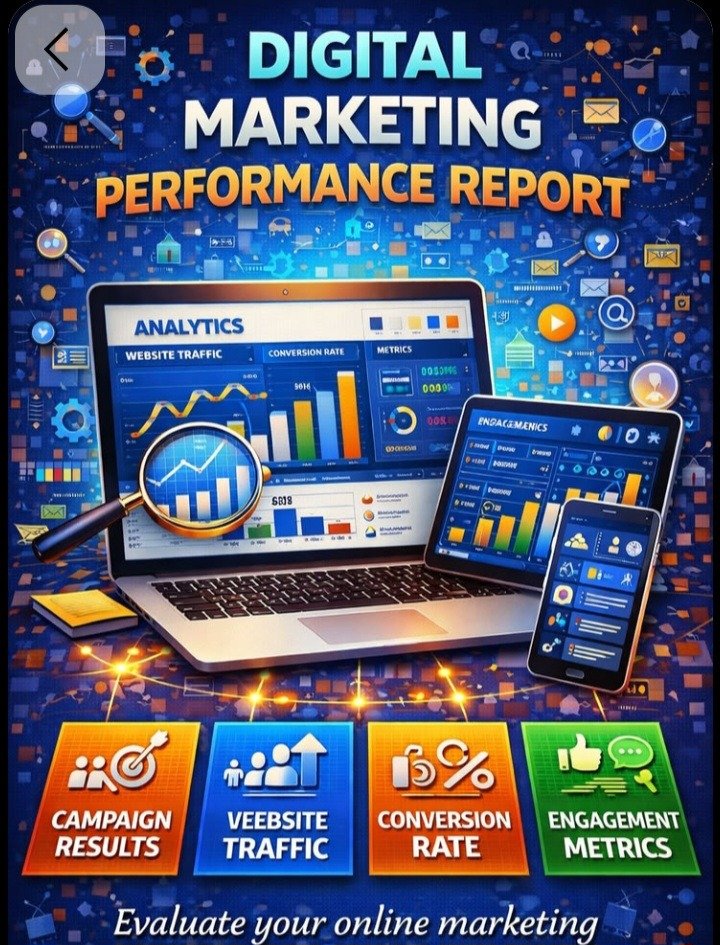
Marketing without measurement is just guessing with better graphics. If you post on social media, run a few ads, or publish blog content but never look at what happens afterward, you have no way of knowing which efforts are pulling their weight and which are quietly wasting your time and money.
Tracking performance lets you do three things that directly affect your bottom line:
● Spot what’s working so you can invest more time and budget into it.
● Catch what’s failing before it drains resources for months.
● Make decisions based on evidence, not gut feeling or whichever channel feels the most exciting that week.
None of this requires an enterprise dashboard. It requires knowing where to look and what to look for which is exactly what beginners often get wrong when they first start experimenting with digital channels.
If you’re still building the fundamentals, it helps to first understand how beginners can start digital marketing the right way, since tracking only makes sense once your goals and channels are clearly defined.
What Is The cheapest Way To Measure Marketing ROI?
Compare what you spent on a campaign against the revenue or leads it generated, using free tools to trace the connection.
UTM parameters combined with Google Analytics let you attribute conversions to specific campaigns at no cost, which is the foundation of measuring ROI without paid attribution software.
Step 1: Define What “Success” Actually Means Before You Track Anything
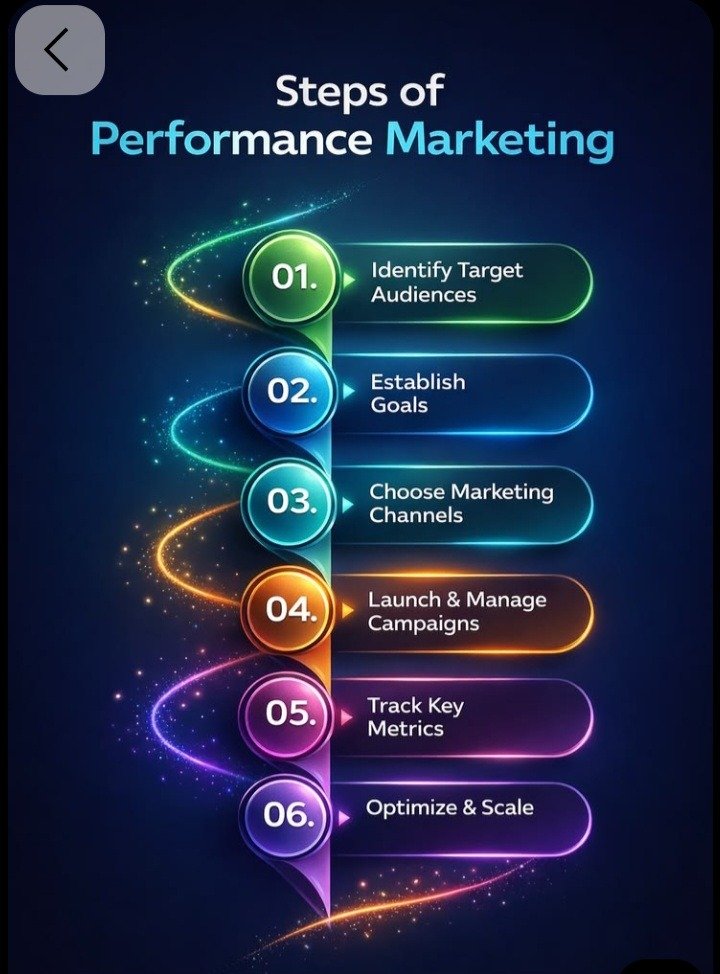
The single biggest mistake businesses make isn’t a lack of tools, it’s tracking the wrong numbers. Likes, follower counts, and impressions feel good to watch, but they rarely tell you whether your marketing is generating real business value.These are often called vanity metrics, and chasing them without a goal behind them wastes time.
Before you track anything, answer these three questions:
● What action do I want people to take? (Call, buy, book, sign up, subscribe)
● What does that action look like in numbers? Leads per month, sales per campaign, sign-ups per week
● What time frame am I measuring against? (Weekly, monthly, per campaign)
Once you know what you’re aiming for, every metric you collect has a purpose. A spike in website traffic means nothing on its own but a spike in traffic that leads to five new inquiries tells you the campaign worked.
It also helps to separate goals by channel rather than lumping everything into one generic target.
A social media post might exist to build brand awareness, while a Google ad exists to drive an immediate sale measuring both against the same “success” metric will make one of them look like it’s failing when it’s actually doing exactly what it was designed to do.
Can I Track Marketing Results Manually With A Spreadsheet?
Yes. A spreadsheet that logs visitors, leads, top traffic sources, and conversion rates on a weekly or monthly basis is a proven starting point for tracking performance, and many businesses use this method indefinitely rather than upgrading to paid dashboards.
Step 2: Use the Free Analytics Tools You Already Have Access To
Most businesses assume paid dashboards are necessary because they don’t realize how much tracking power is already sitting inside free platforms.
Google Analytics (GA4) is free and remains the most complete way to see who visits your website, how they got there, and what they did once they arrived. It shows traffic sources, session duration, conversion events, and audience behavior without costing a cent.
Pairing GA4 with Google Search Console adds visibility into which search terms bring people to your site and how your pages perform in search results. Both are official, no-cost tools directly from Google, and together they form the backbone of measurable marketing for businesses of any size with no paid subscription required.
You can learn more about setting these up directly from Google’s own marketing platform.
Setting these tools up correctly matters more than most people expect. A surprising number of businesses install Google Analytics once, never configure a single goal or conversion event, and then wonder why the reports feel meaningless.
Spend twenty minutes defining what a “conversion” looks like on your site: a form submission, a click on a phone number, a completed purchase and every report you pull afterward becomes dramatically more useful.
Beyond your website, every major platform already includes built-in analytics at no cost:
● Meta Business Suite: reach, engagement, and click data for Facebook and Instagram
● LinkedIn Page Analytics: post performance and follower demographics
● YouTube Studio: watch time audience retention, and traffic sources
● Email platforms like Mailchimp or MailerLite: (free tiers) open rates, click rates, and unsubscribes
● Google Business Profile Insights: calls, direction requests, and profile views for local businesses
You don’t need to monitor all of these constantly. Pick the two or three platforms where you’re actually active, and check them on a fixed schedule weekly is usually enough for most small businesses.
Step 3: Set Up UTM Parameters Your Free Campaign Tracking System
If Google Analytics tells you that traffic arrived, UTM parameters tell you exactly where it came from. A UTM parameter is a short tag added to the end of a URL that labels the source, medium, and campaign name of a link. It costs nothing to create and takes about thirty seconds per link using Google’s free Campaign URL Builder.
For example, instead of sharing a plain link to your homepage in an Instagram bio, you’d share:
When someone clicks that link, GA4 records exactly which post, platform, and campaign sent them no paid attribution software required. This single habit solves one of the most common tracking complaints business owners have: I don’t know which platform is actually bringing in customers.
Tag every link you share in a bio, newsletter, or paid ad, and that question answers itself automatically inside your free analytics dashboard.
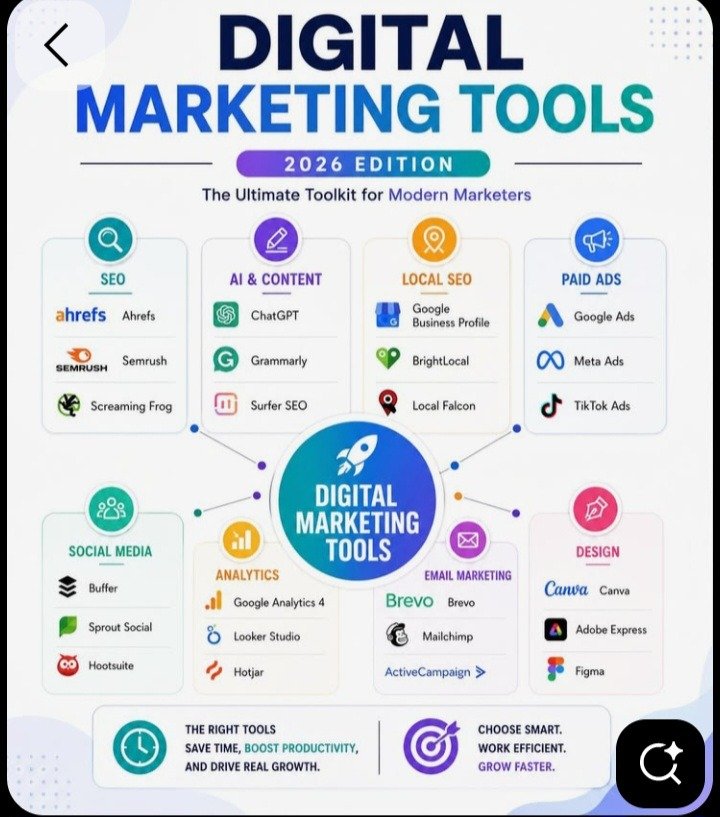
Step 4: Track Content And SEO Performance Without Paid SEO Software
Paid SEO platforms are useful at scale, but they aren’t required to measure whether your content is working. Google Search Console alone will show you which keywords your pages rank for, your average position, and your click-through rate the exact numbers paid tools repackage into prettier charts.
To track content performance without a subscription:
● Check Search Console’s Performance report monthly for ranking movement on target keywords.
● Track organic traffic trends in GA4 rather than obsessing over daily fluctuations.
● Monitor time on page and bounce rate to see whether content is actually being read, not just clicked.
● Compare performance before and after publishing new content, using UTM-tagged internal promotion to see where readers came from.
Good tracking data is only useful if the content behind it is built to perform in the first place. That starts with writing pages that are structured for both readers and search engines using the same principles covered in this breakdown of SEO content writing strategies for driving visibility and growth. If you’re newer to content creation, it’s also worth reviewing these practical tips for writing website content as a beginner before you start measuring what you publish: strong content simply gives you cleaner, more meaningful data to track.
Step 5: Build A Simple Spreadsheet Dashboard
You don’t need Looker Studio, Tableau, or a paid business intelligence tool to visualize your numbers; a spreadsheet works perfectly well for most small businesses and solo marketers.
Create one shared spreadsheet with a tab for each channel (website, email, social, ads), and track a small, consistent set of metrics weekly or monthly.
At minimum, log your website visitors from GA4 each week, leads or inquiries pulled from your contact form or phone log each week, your top traffic source from GA4 and UTM tags each month, email open rate from your email platform after every send, social engagement rate from native platform insights each month, and your conversion rate leads divided by visitors calculated monthly.
A spreadsheet forces you to record numbers manually, which sounds tedious but has a real benefit: it makes you actually look at the data instead of letting it sit unread inside a dashboard. Many businesses that later invest in premium tools started with exactly this kind of manual system, and only upgraded once they had outgrown it.
Step 6: Track Offline And Word of Mouth Conversions
Not every result shows up in an analytics dashboard. Phone calls, walk-ins, and referrals are notoriously hard to attribute, but they’re just as trackable if you build a simple habit around them.
● Train staff ask “How did you hear about us?” on every call or in-person inquiry.
● Use unique phone numbers or discount codes per campaign (many free call-tracking trials or simple printed codes work for this).
● Log referral answers in the same spreadsheet used for digital metrics, so all your data lives in one place.
This closes the loop between your online marketing and real-world results, something even expensive tools struggle to capture perfectly.
Offline attribution is never going to be as precise as a digital click, but a consistent, low-effort habit of asking and logging the answer will get you far closer to the truth than guessing, and it costs nothing but a moment of your team’s attention on each call.
It also helps to review these offline numbers alongside your digital metrics rather than in isolation. If referrals spike in the same month you launched a new campaign, that’s a signal worth investigating even if your analytics dashboard can’t draw the line for you automatically.
Step 7: Turn Your Data Into Decisions, Not Just Reports

Collecting numbers is only half the job. The real value comes from reviewing them on a schedule and asking two questions every time: What changed? and What should we do differently because of it?
Set a recurring monthly review where you compare current numbers to the previous period, not just to look at totals in isolation. A 20% increase in leads means far more when you know it followed a specific campaign or content push.
This is also where working with an experienced team pays off. Agencies like Stratvora build ongoing reporting rhythms into their client partnerships specifically so that data turns into action rather than sitting in a spreadsheet nobody reopens.
If you eventually want expert support interpreting your numbers, their blog covers practical, growth-focused marketing insights worth reading alongside your own reporting.
If you’re weighing whether to bring in outside help for content or strategy, it’s worth comparing options first. This roundup of content writing services that deliver measurable ROI is a useful starting point before committing a budget to any provider.
Common Tracking Mistakes To Avoid
● Tracking too many metrics at once. Pick a handful that map directly to your goals.
● Ignoring trends in favor of single data points. One good week doesn’t confirm success; one bad week doesn’t confirm failure.
● Forgetting to tag links. Without UTM parameters, “social media” traffic in GA4 becomes a black box.
● Never reviewing the data you collect. A spreadsheet nobody opens is worse than no tracking at all; it creates a false sense of security.
● Comparing your numbers to the wrong benchmark. A 2% conversion rate might be excellent for one industry and mediocre for another. Compare your own performance over time rather than chasing generic industry averages that may not apply to your business.
● Treating tracking as a one-time setup. Goals change, campaigns evolve, and the metrics that mattered six months ago may no longer be the ones that matter now. Revisit your tracking plan every quarter, not just when something goes wrong.
When It Makes Sense To Invest In Paid Tools
Free tracking methods work extremely well for most small and growing businesses. Paid platforms start to earn their cost once you’re managing multiple ad accounts, need automated cross-channel attribution, or are handling enough data that manual spreadsheet tracking becomes a full-time job.
Until then, the free stack GA4, Search Console, native platform analytics, UTM tagging, and a well-maintained spreadsheet covers the vast majority of what a growing business needs to know.
What Free Tools Can Replace Paid Marketing Dashboards?
Google Analytics (GA4), Google Search Console, Google Business Profile Insights, and the native analytics built into Meta, LinkedIn, and YouTube collectively cover most of what a paid dashboard would show. The main trade-off is that you’re checking multiple platforms instead of one consolidated view.
Final Thoughts
You don’t need an expensive software subscription to know whether your marketing is working, you need clarity on your goals, a habit of checking the free tools already available to you, and a system for turning numbers into decisions. Start small: define one goal, tag your links, and check your numbers on a fixed schedule.
The businesses that track consistently, even with simple tools, almost always outperform the ones waiting until they can afford a fancier dashboard. Measurement is a habit long before it’s a piece of software, and the sooner that habit is in place, the sooner every marketing decision you make is backed by evidence instead of assumption.
Once you’ve built that foundation, you’ll also be in a far better position to judge whether a paid tool is genuinely solving a problem for you, or simply repackaging data you could already see for free.



The Ultimate Guide to Digital Marketing Strategies for Startups in 2025 – Moreed Digital Solutions: Digital Marketing Agency in Nigeria
December 10, 2025[…] that adopt a structured approach can scale efficiently, measure performance accurately, and adapt to changing market […]
Lookalike Audience Modeling: Important Facts You Need To Win In 2026
December 31, 2025[…] track and optimize: measure key metrics like CPA (cost per acquisition), ROAS (return on ad spend), and conversion rates relative to other […]
Core Web Vitals in 2025: What Has Changed and What’s New – Moreed Digital Solutions: Digital Marketing Agency in Nigeria
January 10, 2026[…] Track the change in metrics before and after deployments or changes. That gives you accountability and lets you see which fixes truly moved the needle. […]
Types of Digital Marketing: A Complete Guide for Modern Businesses in 2026 – Moreed Digital Solutions: Digital Marketing Agency in Nigeria
January 28, 2026[…] Every interaction can be tracked, analyzed, and optimized, allowing businesses to improve performance continuously. […]