
Digital marketing is the system businesses use to reach, influence, and convert audiences through digital channels.
In 2026, it is no longer an optional growth lever or a supporting tactic. It is the foundation of how modern brands acquire customers, communicate value, and compete in crowded markets.
When businesses talk about growth today, they are usually talking about how well their digital marketing systems are built.
At a fundamental level, digital marketing refers to promoting products, services, or brands using internet-based platforms and digital technologies.
This includes search engines, websites, social platforms, email systems, and paid advertising networks.
What separates digital marketing from traditional marketing is not just the medium but the feedback loop.
Every interaction can be tracked, analyzed, and optimized, allowing businesses to improve performance continuously.
Understanding the types of digital marketing matters because each channel serves a specific role in the customer journey.
Some channels attract attention, others build trust, and others convert demand into revenue. Businesses that rely on a single channel often struggle with instability.
Those that understand how multiple types of digital marketing work together are more resilient and scalable.
Digital marketing has also lowered the barrier to entry. Individuals can build careers, agencies, or standalone income streams with skills, systems, and execution rather than large capital.
This is why learning how digital marketing works, how it generates revenue, and how to start getting paid has become a practical skill rather than a niche profession.
What Digital Marketing Means in Real Business Terms
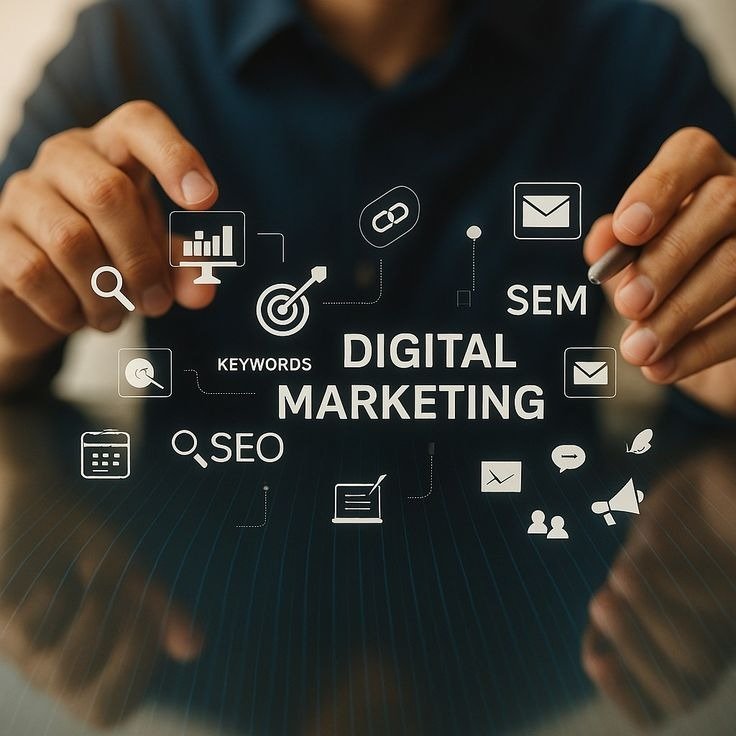
Digital marketing is best understood as a value exchange system. Businesses offer information, solutions, or experiences.
Audiences offer attention, trust, and eventually money. Every successful digital strategy aligns these incentives across platforms and stages of awareness.
In practice, digital marketing involves identifying a target audience, understanding their needs, and selecting the right digital channels to reach them.
A company might publish content optimized for search engines to attract high-intent visitors, use social media to reinforce credibility, and deploy email campaigns to nurture leads into customers.
Each action is intentional and measurable.
The effectiveness of digital marketing comes from intent matching. Search-based channels capture users actively looking for solutions. Social channels surface ideas users did not know they needed yet.
Email maintains continuity after the first interaction. Paid media accelerates reach when timing matters. These functions explain why businesses invest across multiple types of digital marketing rather than treating them as interchangeable.
Another defining aspect is adaptability. Platforms change, algorithms evolve, and consumer behavior shifts.
Digital marketing strategies must respond to these changes quickly. Businesses that treat digital marketing as a static checklist usually fall behind.
Those that treat it as an evolving system maintain relevance and performance.
Core Types of Digital Marketing and How They Function
The types of digital marketing can be grouped by their primary function within the growth system. Some focus on discovery, others on engagement, and others on conversion and retention.
Understanding these roles prevents misaligned expectations and poor execution.
Search engine optimization focuses on earning organic visibility in search engines. It involves technical performance, content relevance, and authority signals.
SEO is often chosen for its long-term value since traffic does not disappear when ad spend stops. Businesses that rely heavily on SEO invest in content depth, site structure, and user experience.
Paid digital advertising captures demand quickly. Platforms such as Google Ads and Meta Ads allow advertisers to reach specific audiences based on intent, behavior, or demographics.
Paid media is measurable and scalable but requires ongoing optimization. It is most effective when combined with strong landing pages and clear messaging.
Content marketing builds authority and trust through educational or informative materials. Blog posts, guides, videos, and case studies all fall into this category.
Content supports almost every other channel, making it one of the most flexible types of digital marketing.
Social media marketing focuses on presence and interaction within platforms where users already spend time. It is less about direct selling and more about visibility, credibility, and engagement over time.
Email marketing provides direct access to an audience that a business owns. It is commonly used for nurturing, promotions, and retention.
Affiliate marketing and influencer marketing extend reach through third-party audiences using performance-based incentives.
Each of these types of digital marketing serves a distinct purpose. Businesses that treat them as separate silos often struggle to see results. Integration is where performance compounds.
Search Engine Optimization as a Growth Channel
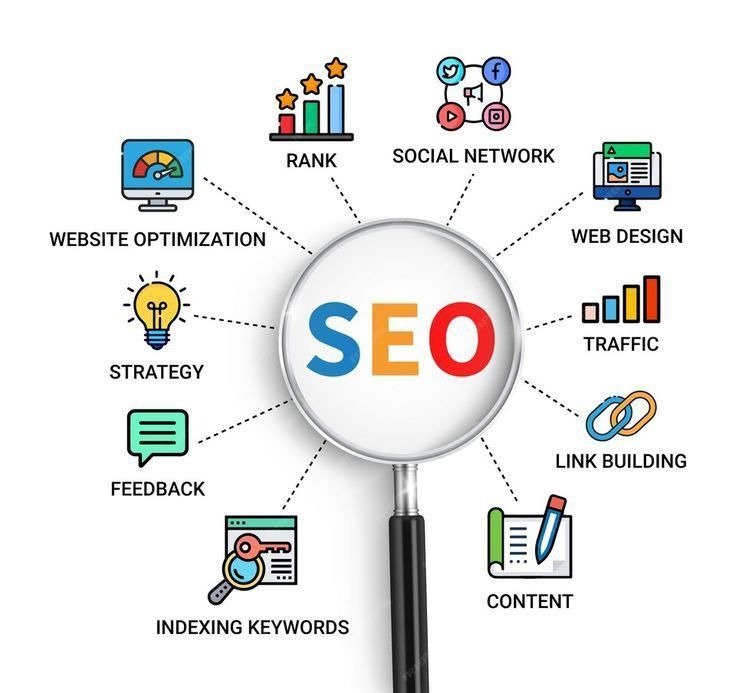
Search engine optimization remains one of the most important types of digital marketing because it aligns closely with user intent.
When users search for information, products, or services, they are actively expressing need. Ranking for those queries places a business directly in the decision-making path.
SEO involves multiple layers. Technical SEO ensures that search engines can crawl and index a site efficiently.
On-page optimization ensures content matches search intent and uses clear structure. Off-page optimization builds authority through reputable links and brand mentions.
In 2026, SEO prioritizes usefulness and clarity. Search engines reward content that demonstrates experience, accuracy, and relevance. Shallow content written only to rank rarely performs well long term.
Businesses that invest in comprehensive resources often see compounding returns.
SEO is also foundational for earning money with digital marketing because it generates traffic that can be monetized through products, services, advertising, or affiliate partnerships.
Many creators and businesses build entire revenue models around search-driven content because of its stability.
Paid Advertising and Revenue Acceleration
Paid advertising is one of the fastest ways to generate visibility and validate offers. Unlike organic channels, paid ads allow businesses to appear immediately in front of target audiences.
This makes paid media essential for launches, promotions, and competitive markets.
Successful paid campaigns rely on alignment between targeting, creative, and landing pages. The ad captures attention, the page delivers clarity, and the offer solves a specific problem.
When one element is weak, performance suffers.
Paid advertising is often misunderstood as a shortcut. In reality, it amplifies what already works.
Businesses with clear positioning and strong messaging scale faster with ads than those still experimenting.
This is why paid media works best when paired with other types of digital marketing such as content and email.
Content Marketing, Social Media, and Authority Building
Content marketing plays a strategic role in guiding prospects from awareness to decision. Educational blog posts, in-depth guides, case studies, and explainer videos help audiences understand problems before they ever consider buying.
In industries like SaaS, long-form tutorials and comparison content drive organic traffic and product sign-ups over time.
In health, finance, and B2B services, well-researched content builds credibility in spaces where trust directly affects conversion rates. This is why content marketing remains one of the most durable types of digital marketing.
Social media marketing reinforces that authority by distributing content where conversations already happen.
A fintech brand sharing regulatory insights on LinkedIn, an ecommerce brand using short-form product demos on Instagram, or a creator-led business educating through TikTok clips are all applying the same principle.
Social platforms reward relevance and consistency, not aggressive promotion. When content and social channels work together, brands stay visible between buying moments and reduce friction when prospects are ready to convert.
Email Marketing and Long-Term Monetization
Email marketing is central to sustainable monetization because it creates a direct communication channel that businesses control.
Unlike social platforms, email lists are not affected by algorithm shifts or reach limitations. This makes email one of the most reliable types of digital marketing for nurturing leads and driving repeat revenue.
Ecommerce brands use email to recover abandoned carts and announce product drops. SaaS companies rely on onboarding sequences and feature education to reduce churn.
Service providers use newsletters to maintain top-of-mind awareness between client needs.
Automated email sequences allow businesses to respond to user behavior in real time. A user downloading a guide may receive educational follow-ups, while a returning customer receives targeted offers.
When integrated with content marketing, SEO, and paid traffic, email becomes the system that converts attention into predictable income.
Over time, this consistency compounds, turning one-time visitors into long-term customers and brand advocates.
How To Earn Money With Digital Marketing
Digital marketing creates income by reducing the distance between demand and solutions.
Businesses earn money when digital channels consistently attract the right audience, communicate value clearly, and guide users toward conversion.
This can happen through direct product sales, recurring subscriptions, lead generation for service businesses, advertising revenue, or affiliate commissions.
Ecommerce brands rely on paid ads and SEO to drive sales volume. SaaS companies use content marketing and email to convert trials into long-term subscribers.

Media sites monetize traffic through ads and affiliate partnerships. All of these models rely on the same foundation across the types of digital marketing.
For individuals, income comes from applying these systems for others or building assets of their own. Freelancers sell services like SEO, paid ads management, or email setup.
Content creators monetize blogs, newsletters, or YouTube channels. Entrepreneurs build digital products or niche websites that generate recurring revenue.
Specialization increases earning power early, while diversification across multiple types of digital marketing improves long-term stability and reduces dependency on a single channel or platform.
How to Start Digital Marketing and Get Paid
Starting digital marketing begins with understanding how channels work and applying that knowledge in practical environments.
Foundational education from platforms like Google Digital Garage, HubSpot Academy, and Meta Blueprint helps beginners understand search, ads, analytics, and content systems using frameworks aligned with how major platforms actually operate.
These resources are widely referenced because they reflect current platform standards rather than outdated tactics.
Practical application is what turns learning into income. Beginners often start by building a small website, managing social media for a local business, running test ad campaigns, or optimizing content for search.
Results, not certificates, create credibility. Freelancers use case studies and performance metrics to attract clients. Employees apply skills to improve internal marketing outcomes.
Entrepreneurs focus on building traffic and conversion systems that generate revenue directly.
Across all types of digital marketing, getting paid follows the same pattern: demonstrate value, document results, and scale what works.
Strategies and Best Practices for 2026
In 2026, effective digital marketing strategies prioritize integration, data quality, and audience trust.
Businesses no longer rely on isolated tactics. Instead, they map customer journeys, align channels to specific stages of intent, and evaluate performance across the entire funnel.
SEO supports discovery, content builds understanding, ads accelerate reach, and email sustains relationships. This systems-based approach reflects how modern platforms reward consistency and relevance.
Best practices emphasize quality over volume. Search engines reward helpful content. Ad platforms optimize better with clear conversion signals.
Email performs best with personalization and segmentation. Privacy regulations and platform changes have made first-party data more important, pushing brands to focus on owned audiences and transparent value exchange.
Continuous testing, accurate measurement, and adaptability are now baseline requirements.
The defining advantage lies in understanding the types of digital marketing as interconnected tools rather than standalone tactics.
Businesses that adopt this mindset build sustainable growth systems instead of relying on temporary wins or platform-dependent shortcuts.
Conclusion
Digital marketing in 2026 is not about chasing platforms or tactics. It is about building systems that consistently attract attention, earn trust, and convert demand into measurable results.
Businesses that understand how the types of digital marketing work together are better equipped to adapt as platforms, algorithms, and consumer behavior evolve.
Search, content, social, email, and paid media each serve a distinct purpose, but their real strength appears when they are aligned around audience intent and clear value delivery.
For individuals, digital marketing remains one of the most practical skill sets for building income in a digital-first economy.
Whether through employment, freelancing, content creation, or entrepreneurship, the opportunity lies in applying proven principles, documenting results, and scaling what works.
There are no shortcuts that last, but there are systems that compound.
The businesses and professionals who succeed long term are those who prioritize accuracy, usefulness, and trust.
By treating digital marketing as a connected strategy rather than isolated tactics, growth becomes more predictable, resilient, and sustainable.


The Ultimate Guide to Digital Marketing Strategies for Startups in 2025 – Moreed Digital Solutions: Digital Marketing Agency in Nigeria
January 28, 2026[…] we walk through the fundamental types of digital marketing channels your startup should consider, and how to build a strategy around […]
How Do Beginners Start Digital Marketing? The Complete 2026 Guide – Moreed Digital Solutions: Digital Marketing Agency in Nigeria
February 15, 2026[…] 4 Major Types of Digital Marketing Beginners Must […]