

Growing a startup isn’t just about having a great product, it’s about reaching the right audience at the right time.
Effective digital marketing strategies for startups allow new businesses to compete with established players, build brand awareness, and attract early customers without wasting resources.
From SEO and paid advertising to social media, email marketing, and content strategy, each channel plays a critical role in driving growth.
Startups that adopt a structured approach can scale efficiently, measure performance accurately, and adapt to changing market conditions.
Understanding which strategies deliver results and how to implement them is essential for turning a small idea into a sustainable business.
Why Startups Need Digital Marketing
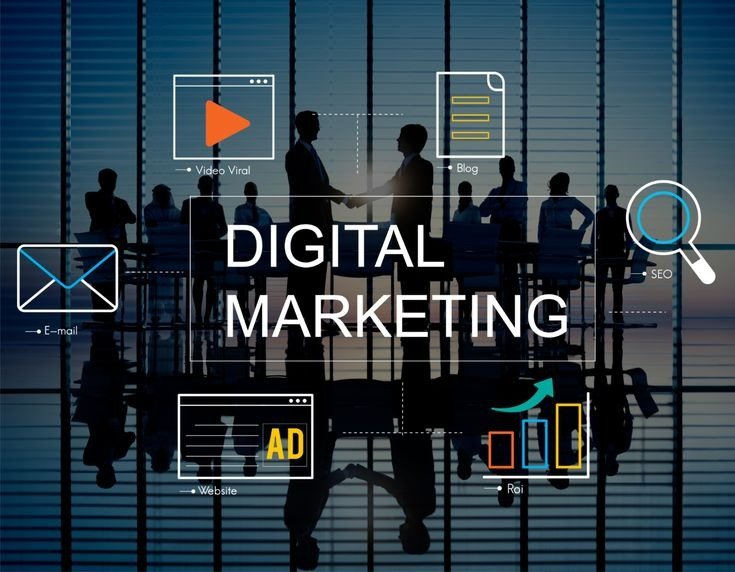
For a startup, every dollar counts. Investing in digital marketing strategies for startups gives you several key advantages:
- Cost-Effectiveness and Measurability
Unlike traditional marketing channels, digital marketing allows you to see exactly how much you’re spending, how much you’re getting back, and which activities are driving real growth. An actionable marketing mix can vastly reduce waste and deliver better ROI. - Precision Targeting
With digital channels, you can reach very specific audiences — based on demographics, behavior, interests, and even intent. This means your startup can reach early adopters or niche segments without mass casting. - Scalability
Many digital marketing strategies scale with performance. If a PPC campaign or content piece works, you can double down. If not, you can pause or iterate. - First-Mover Advantage in Emerging Channels
As new trends emerge (e.g., AI, voice search), startups that adopt digital marketing strategies for startups early can outpace slower-moving competitors. - Long-Term Asset Building
Things like SEO, email lists, and content assets don’t vanish when you stop paying. They compound over time, giving your startup sustainable growth mechanisms.
Research backs this up: in a study of startups, 89.6% rated digital marketing as critical or very important, with social media, search engine marketing, and email marketing emerging as dominant channels.
Core Digital Marketing Channels for Startups
Here, we walk through the fundamental types of digital marketing channels your startup should consider, and how to build a strategy around them.
1. SEO (Search Engine Optimization)
Search Engine Optimization is often the backbone of digital marketing strategies for startups because of its sustainable, long-term benefits.
Why SEO Matters for Startups
- Organic traffic: By optimizing for search, your startup can attract visitors actively looking for what you’re offering.
- Credibility: Ranking on Google (or other search engines) lends legitimacy to a new brand.
- Cost efficiency: While SEO takes time, once optimized it can drive free traffic that compounds.
Key SEO Tactics
- Keyword Research: Startups should identify long-tail and intent-based keywords. Use tools like Google Keyword Planner or Ahrefs.
- On-Page Optimization: Craft title tags, meta descriptions, headers, and URLs that reflect what your customers search for.
- Quality Content: Publish helpful blog posts, guides, or case studies that solve real problems for your users.
- Technical SEO: Make sure your website loads fast, is mobile-friendly, and uses structured data where necessary.
- Local SEO (if relevant): Optimize Google My Business, local citations, and hot-tailor content to local queries.
- Voice Search Optimization: As voice queries grow, especially “how” and “where” questions, optimize for conversational phrases.
By investing in SEO and SEO content writing as part of your digital marketing strategies for startups, you’re setting up a foundation that drives consistent visibility.
2. Paid Advertising (PPC / Performance Ads)
Pay-per-click (PPC) and other paid ads should be a major piece of your digital strategy — especially for startups that need fast traction.
Types of Paid Ads to Consider
- Search Ads (Google Ads, Bing Ads): Capture demand from people actively searching relevant terms.
- Social Ads (Meta / Instagram, LinkedIn, TikTok): Build awareness and retarget visitors.
- Programmatic Ads: Use display or video ads via demand-side platforms to reach niche or high-intent segments.
- Performance Max Campaigns: Google’s AI-driven campaigns learn and optimize across channels based on conversion data.
How to Craft Effective Paid Campaigns
- Define Clear Goals: Set KPIs like Cost Per Acquisition (CPA), Return On Ad Spend (ROAS), or Lifetime Value (LTV).
- Audience Targeting: Use demographic, behavioral, and interest-based targeting. For retargeting, create custom audiences (e.g., site visitors, cart abandoners).
- Creative Testing: Always A/B test ad creatives, copy, and landing pages.
- Budget Smartly: Start small, then scale based on performance. Use automated bidding or rules to maximize efficiency.
- Track Performance: Use UTM parameters, conversion tracking, and attribution models so you know exactly which campaigns drive value.
PPC is a powerful lever in your digital marketing strategies for startups because it can produce quick results and give you actionable data to iterate rapidly.
3. Social Media Marketing
Social media is a dual-purpose channel — both for brand awareness and for performance marketing.
Choosing the Right Platforms
Not every platform suits every startup. Focus on where your audience is most active.
- Instagram / TikTok / YouTube: Great for visual content, brand storytelling, and reach.
- LinkedIn: Ideal for B2B startups.
- Twitter / X: Useful for customer engagement, announcements, and thought leadership.
- Community Platforms (e.g., Discord, Slack): For building tight-knit user communities.
Effective Social Strategies
- Content Mix: Use a mix of promotional, educational, and engaging posts.
- Short-Form Video: Platforms like TikTok, Instagram Reels, and YouTube Shorts are especially effective. Short-form video continues to dominate engagement metrics for small businesses.
- User-Generated Content (UGC): Encourage customers to share their experiences. This amplifies reach and builds social proof.
- Influencers and Micro-Influencers: Micro-influencers can be very cost-effective, especially for niche or hyper-local startups.
- Conversational Marketing / Chatbots: Use AI chatbots or social messaging to interact with customers in real time and guide them through the funnel.
- Social Commerce: If relevant, enable in-app shopping features like shoppable posts, live shopping, or integrated storefronts.
When paired strategically with your other efforts, social media can become a powerful tool in your broader digital marketing strategies for startups.
4. Email Marketing
Email remains one of the most reliable and high-ROI channels a startup can use.
Why Email Marketing Is Still Crucial
- Direct Access: You own your list; you’re not at the mercy of platform algorithm changes.
- High ROI: According to a small-business guide, email marketing can deliver massive ROI compared to other channels.
- Lead Nurturing: Send drip campaigns, welcome sequences, and onboarding flows to convert prospects into paying customers.
- Retention: Use email to engage existing users, upsell, and reactivate dormant customers.
Best Practices for Startups
- Segment Smartly: Use behavioral, demographic, and lifecycle data to segment your list. Personalized emails outperform generic blasts.
- Automated Sequences: Set up onboarding, transactional, and triggered emails.
- Personalization: Leverage AI tools to tailor content, subject lines, and product recommendations.
- Mobile Optimization: Ensure your emails look good on mobile — most users open email on their phones.
- Regular Testing: A/B test subject lines, email content, and send times to improve open and click rates.
- Measure Key Metrics: Track open rate, click-through rate (CTR), conversion rate, and unsubscribe rate.
By weaving email into your digital marketing strategies, you create durable, scalable engagement that supports acquisition, retention, and growth.
Building a Content Strategy for Growth

A solid content strategy is central to almost all digital marketing strategies for startups. It fuels SEO, social media, email, and even paid efforts.
Why Content Strategy Is Vital
- Authority and Trust: High-quality content helps position your startup as a knowledgeable leader.
- Traffic: Blog posts, whitepapers, and guides drive SEO traffic.
- Lead Generation: Content can attract leads via gated content (e.g., e-books) or opt-ins.
- Retention: Use content to keep users engaged through emails, newsletters, or educational series.
Components of an Effective Startup Content Strategy
- Audience Research: Identify your buyer personas and their key challenges.
- Content Pillars: Define 3–5 central themes that align with your business model (e.g., how-to guides, industry insights, case studies).
- Content Formats: Use a mix — blog posts, infographics and banners, videos, podcasts, and interactive content.
- Editorial Calendar: Plan content in advance. Use consistent publishing cadence.
- SEO Optimization: Integrate keyword research, internal linking, and schema markup.
- Distribution Plan: Promote content via email, social media, influencers, and paid ads.
- Performance Measurement: Track metrics like page views, time on page, bounce rate, and conversion rates.
When executed well, your content becomes the engine that powers many of your digital marketing strategies for startups.
Analytics and Metrics: Measuring What Matters
Without data, your digital marketing strategies for startups will be guesswork. Analytics help you understand how your efforts perform and where to double down.
Key Metrics to Track
- Traffic Metrics: Unique visitors, page views, source/medium.
- SEO Metrics: Keyword rankings, organic sessions, click-through rate from SERPs.
- Paid Metrics: Click-through rate (CTR), Cost Per Click (CPC), Cost Per Acquisition (CPA), Return On Ad Spend (ROAS).
- Email Metrics: Open rate, click-through rate, conversion rate, unsubscribe rate.
- Social Metrics: Engagement rate, follower growth, reach, conversions.
- Content Metrics: Time on page, scroll depth, content shares, lead conversion.
- Funnel Metrics: Lead-to-customer conversion rate, customer acquisition cost (CAC), customer lifetime value (LTV).
Tools to Use
- Google Analytics / Google Analytics 4: For web traffic, user behavior, and conversion tracking.
- Google Tag Manager: To deploy tracking tags without developer help.
- CRM / Marketing Automation Tools: For connecting user behavior with emails, sales, and customer records.
- BI Tools / Dashboards: Tools like Looker Studio can help visualize performance across campaigns.
Analytics convert your digital marketing strategies for startups into a data-driven growth machine. You’ll know exactly what’s working — and what’s draining your budget.
Trend Forecasting: Staying Ahead in Digital Marketing
Keeping pace with trends is vital for startups, because early adoption can offer a big edge.
Here are some of the biggest trends to watch — and how to incorporate them into your digital marketing strategies for startups.
Major Trends in 2025
- AI and Automation
AI is transforming digital marketing. Many small businesses are now using AI to personalize customer journeys, automate tasks, and generate content. Predictive analytics, chatbots, and AI-driven creative are rapidly becoming standard. - Voice Search & Conversational Marketing
Voice assistants are reshaping search behavior. More people use conversational queries, so optimizing for voice and natural language is becoming critical. - Short-Form Video Dominance
Platforms like TikTok, Instagram Reels, and YouTube Shorts remain central. Small businesses benefit from the high engagement and shareability of short, vertical video. - Hyper-Personalization Using First-Party Data
With increasing privacy restrictions, reliance on first-party data is growing. Startups can use their own customer data to deliver highly relevant experiences. - AI-Generated Content
According to forecasts, by 2025 a significant share of online content may be AI-generated. Tools like ChatGPT, Jasper, and other generative AI tools let startups scale content production without massive teams. - Interactive & Immersive Experiences
Augmented Reality (AR) and virtual try-ons are becoming more accessible, and interactive content like quizzes and shoppable videos are gaining ground. - Sustainability and Ethical Marketing
Consumers increasingly favor brands that prioritize social responsibility. Startups that communicate purpose and ethical practices can build stronger trust.
How to Integrate Trends Into Your Strategy
- Pilot AI for Content & Ads: Test AI-generated copy and predictive campaigns on a small scale, measure performance, then scale.
- Optimize for Voice: Add FAQ sections, conversational copy, and long-tail phrases to your content.
- Build Short-Form Video Assets: Create TikToks, Reels, or Shorts around product features, culture, or tutorials.
- Use First-Party Data Wisely: Develop strategies to collect and use data via email signups, behavioral triggers, and customer interactions.
- Experiment with Immersive Tech: If relevant, explore AR features, interactive experiences, or shoppable content.
- Align Messaging with Purpose: Let sustainability, social good, or ethical business practices inform your branding and content.
By weaving these trends into your digital marketing strategies for startups, you not only stay relevant — you become future-ready.
How Much Should a Startup Spend on Digital Marketing?
Budgeting for digital marketing depends largely on your business model and growth goals.
According to a small business guide, many startups allocate 7–12% of their revenue to marketing, with 60–70% of that going into digital channels.
For early-stage startups in highly competitive markets, the figure may go as high as 12–20% to gain traction.
It’s also wise to phase your spend: begin with a lean, test-and-learn PPC or social campaign, then reinvest the wins into more scalable channels like SEO or content.
Which Channel Delivers the Best ROI for Startups?
No one-size-fits-all answer exists, but data suggests that email marketing often yields the highest ROI, followed closely by search engine optimization and paid search.
These channels are powerful because they either rely on owned assets (email, SEO) or are highly targeted (paid).
However, the ideal mix for your startup depends on your product, customers, and growth stage. Use analytics to track ROI continuously and shift your allocation based on performance.
What Key Metrics Should Startups Track?
At a minimum, startups should track:
- Traffic and Engagement Metrics (e.g., sessions, page views, time on site)
- Conversion Metrics (e.g., leads, sign-ups, purchases)
- Acquisition Cost Metrics (e.g., CPA, CAC)
- Revenue Efficiency Metrics (e.g., ROAS, LTV)
- Retention Metrics (e.g., churn, repeat purchases)
These metrics give you a clear picture of which digital marketing strategies for startups are working and which need rethinking.
How Do You Measure the Success of Content Marketing?

Success in content marketing is not just traffic — though that matters. You should also look at how content contributes to:
- Lead generation (gated assets, form fills)
- SEO performance (organic traffic, keyword rankings)
- Engagement (time on page, social shares)
- Conversion (how many readers become customers)
Set benchmarks for each piece of content and tie them to your broader business goals. Use analytics tools to monitor performance over time, and optimize or repurpose content that underperforms.
How Can Startups Leverage AI in Their Marketing Without Blowing the Budget?
AI is no longer only for big enterprises. Startups can use affordable or free AI tools for:
- Content generation (blogs, social, email)
- Personalization (AI-powered customer segmentation)
- Automation (chatbots, workflows)
- Predictive analytics (forecasting customer behavior)
Many small-business marketing tools offer AI features specifically tailored for limited budgets.
Focus on using AI for tasks that save time or boost conversions, and integrate it into your existing digital marketing strategies for startups incrementally.
Implementing Digital Marketing Strategies for Startups
Here’s a suggested roadmap for implementing digital marketing strategies for startups, especially if you’re just beginning.
- Audit and Research
- Conduct a digital marketing audit to assess current traffic, assets, and gaps.
- Define your buyer personas, target keywords, and content themes.
- Set SMART Goals
- Establish clear, measurable objectives (e.g., “Acquire 200 users in six months at a CAC of $20” or “Grow organic traffic by 50% in one year”).
- Build Foundations (Months 1–3)
- Launch a content hub (blog or resource center) with SEO-optimized articles.
- Run small-scale paid ad campaigns to test messaging.
- Set up email capture forms and initial lead-nurture sequences.
- Implement analytics tools and tag tracking.
- Scale (Months 4–9)
- Expand your content calendar.
- Scale winning PPC campaigns.
- Grow your email list with lead magnets.
- Try influencer partnerships or micro-influencers if fit.
- Optimize & Automate (Months 9–18)
- Use AI tools for content generation and personalization.
- Automate email flows and remarketing campaigns.
- Test voice search–friendly content and landing pages.
- Introduce short-form video content and social commerce.
- Forecast & Innovate (Month 12 onward)
- Use predictive analytics to project growth or seasonal trends.
- Experiment with emerging formats like AR experiences.
- Regularly revisit your digital marketing strategies for startups, pruning underperforming tactics and doubling down on wins.
- Measure & Adapt Continuously
- Review key metrics monthly.
- Hold quarterly strategy reviews.
- Pivot where necessary to align with your evolving business goals.
Conclusion
Digital marketing is not a silver bullet. But, digital marketing strategies for startups are one of the few levers you can pull that combine precision, measurability, and scalability.
By balancing channels like SEO, paid ads, social media, email, and content — and coupling that with smart analytics — you position your business not just for growth, but for sustainable, long-term success.
Adopt the right trends early, measure ruthlessly, and don’t be afraid to try and fail. Startups that treat digital marketing as an engine — not just a cost — are the ones that scale fastest.


How to Track Marketing Performance Without Paid Tools in 2025 – Moreed Digital Solutions: Digital Marketing Agency in Nigeria
December 7, 2025[…] startups venturing into digital marketing, rely on some combination of these to deliver results without raising […]
7 Powerful Tips for Successful Website Content Writing for Beginners – Moreed Digital Solutions: Digital Marketing Agency in Nigeria
December 18, 2025[…] Creating useful, search-ready pages is still on the short list of growth tactics that actually move metrics in digital marketing. […]
Core Web Vitals in 2025: What Has Changed and What’s New – Moreed Digital Solutions: Digital Marketing Agency in Nigeria
December 19, 2025[…] digital marketers and site owners, the change means performance is no longer optional. You can’t defer optimization. If your site […]
Local SEO in Digital Marketing: Strategies To Dominate in Nigeria – Moreed Digital Solutions: Digital Marketing Agency in Nigeria
December 22, 2025[…] SEO in digital marketing is practical: it turns searches into visits and phone […]
How Do Beginners Start Digital Marketing? The Complete 2026 Guide – Moreed Digital Solutions: Digital Marketing Agency in Nigeria
February 15, 2026[…] Digital marketing looks complicated because people show you the advanced stuff first. They talk about funnels, automation, retargeting, analytics dashboards, AI tools, and digital advertising strategies. […]