Indeed, every Nigerian business owner wants to be found on Google. Whether you run a fashion brand in Lagos, a real estate company in Abuja, a restaurant in Port Harcourt, or an online store serving customers nationwide, the first place people look for products and services is a search engine. The challenge is that many SEO platforms charge monthly fees in dollars, which is hard to justify when the naira is under pressure and every expense counts.
Moreover, you don’t need an expensive subscription to start ranking. A carefully chosen set of free SEO tools in Nigeria can help you find the right keywords, fix technical problems, track your progress, and win local customers. Many of these tools come directly from Google, which means the data comes straight from the source.
This guide walks you through the best free SEO tools for Nigerian businesses in 2026. For each one, you’ll learn what it does, who it suits, and how to use it. You’ll also get a simple workflow to combine them, the common mistakes to avoid, and answers to frequently asked questions.
What Is The Best Free SEO Tool for Nigerian Businesses?
Google Search Console is the best starting point. Additionally, it’s free, straight from Google, showing exactly which searches bring visitors and which pages perform well or have problems. Pair it with Google Analytics 4 to see what visitors do after they arrive.
Why Free SEO Tools Matter For Nigerian Businesses
Search engine optimization (SEO) is the practice of improving your website so it appears higher in search results for the terms your customers use. Unlike paid ads, which stop bringing traffic the moment you stop paying, SEO builds visibility that compounds over time.
As Moreed Digital Solutions explains in its guide to content marketing strategy for Nigerian businesses, ranking on Google for terms your customers actually type is one of the most underused conversion channels in the country, largely because few local competitors do proper SEO. That is an opportunity. If your competitors are ignoring search, even a basic, well-executed SEO strategy can put you ahead.
Free tools make this possible for small budgets. They allow you to:
● Learn what your customers search for, so you create content people actually want
● Spot technical issues early, before they hurt your rankings
● Measure results honestly, instead of guessing whether your efforts work
● Compete with bigger brands without a big marketing budget
● Build skills in-house, so you understand what any agency or freelancer is doing for you
Free tools do have limits. They may cap the number of searches per day, offer less data than premium platforms, or take more time to learn. But for most small and medium-sized businesses in Nigeria, they are more than enough to get started and see real results.
Can I Do SEO In Nigeria Without Paying for Tools?
Yes. Google Search Console, GA4, Google Keyword Planner, Google Trends, PageSpeed Insights, and a free Screaming Frog crawl cover keyword research, technical checks, and performance tracking.
Paid tools can save time and offer deeper data, but they aren’t required to get started.
What To Look For In A Free SEO Tool
Before we dive into the list, it helps to know how these tools were chosen. The best free SEO tools for Nigerian businesses should be:
● Genuinely free, not a 7-day trial that asks for a card
● Accurate, ideally using first-party data from search engines
● Beginner-friendly, so a business owner or a small team can use them
useful on mobile-first, slower networks, since most Nigerian users browse on phones
● Relevant to local search, because many customers look for services in their city
Here are the tools that meet those standards.
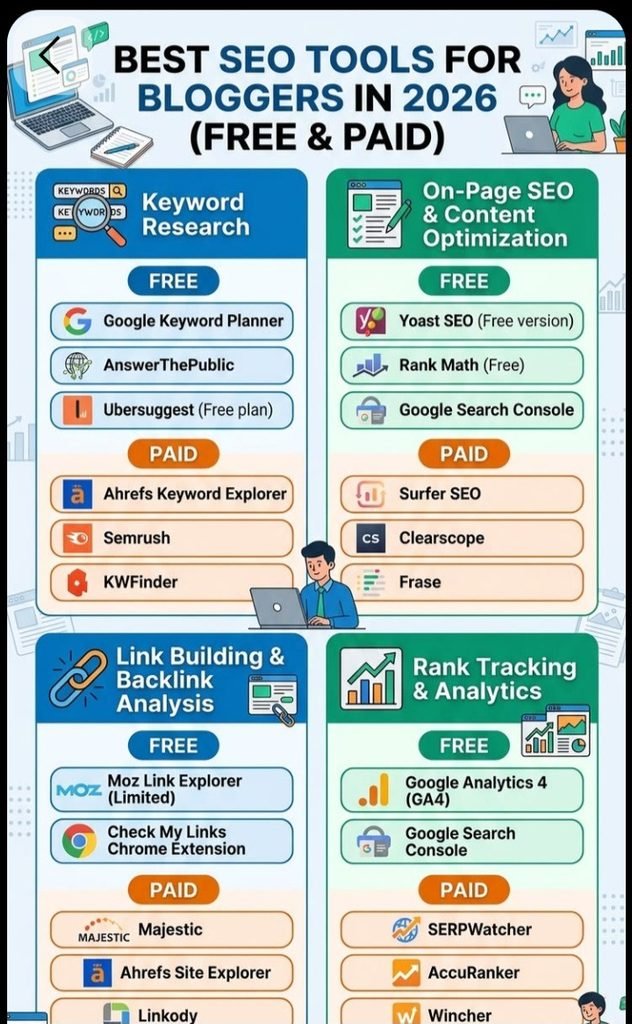
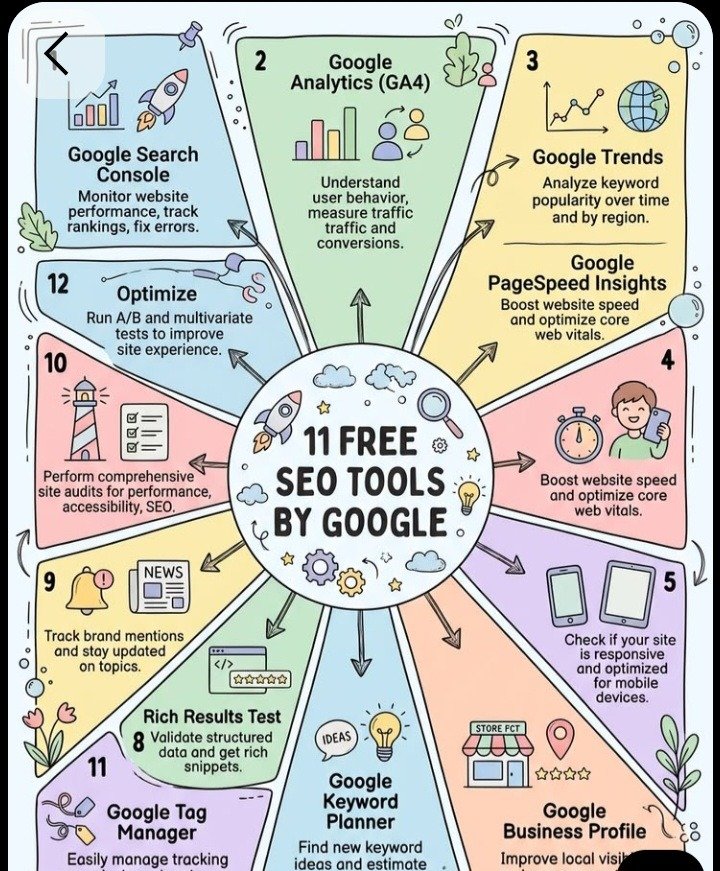
1. Google Search Console (Essential)
Google Search Console is the single most important free SEO tool you can use. It is free, it comes directly from Google, and it shows how your website performs in search.
What it does:
● Shows the exact queries people typed before seeing your site
● Reports your average ranking position, impressions, and clicks
● Flags indexing problems, so you know if Google can’t find your pages
● Lets you submit a sitemap and request indexing for new pages
● Reports mobile usability and page experience issues
Best for: Tracking real keyword performance and finding technical problems.
How to use it: After verifying your website, open the Performance report and look for queries where you rank between positions 8 and 20. These are pages that are close to page one. Improving the content, adding internal links, or updating the title and meta description often gives the fastest wins.
Pro tip for Nigerian businesses: Filter the report by country to see how Nigerian users find you, and compare it against international traffic. If you serve only Nigerian customers, this shows whether your content is reaching the right people.
2. Google Analytics 4 (GA4)
While Search Console tells you how people find your site, Google Analytics 4 shows what they do once they arrive. It tracks where your visitors come from, which pages they read, how long they stay, and which actions they take.
What it does:
● Tracks traffic from organic search, social media, direct visits, and referrals
● Shows which devices and locations your visitors use
● Measures conversions such as form submissions, purchases, calls, and WhatsApp clicks
● Identifies your best-performing pages
Best for: Understanding visitor behavior and connecting SEO to real business results.
How to use it: Set up “key events” for the actions that matter to you, such as clicking a WhatsApp button, submitting a contact form, or completing a checkout. Without this, you can see traffic but not whether it produces sales or leads.
Pro tip: Check the device report. In Nigeria, mobile usually accounts for the majority of visits, so if your mobile users leave quickly, your site probably has a speed or design problem.
3. Google Business Profile
If your business serves customers in a specific city or area, Google Business Profile (formerly Google My Business) is one of the fastest ways to gain visibility. It controls how your business appears in Google Maps and in the local “map pack” for searches like “restaurant near me” or “digital marketing agency in Abuja.”
What it does:
● Displays your address, phone number, opening hours, and website
● Lets you add photos, services, products, and posts
● Collects customer reviews
Provides insights on how many people called, requested directions, or visited your website
Best for: Local businesses such as restaurants, salons, clinics, agencies, schools, shops, and service providers.
How to use it: Claim and verify your profile, choose the most accurate primary category, and fill in every section. Add real photos, list your services, and reply to every review, positive or negative. Keep your business name, address, and phone number identical across your website and other online listings.
For a deeper walk-through of local tactics, read Moreed’s guide to local SEO strategies to dominate in Nigeria.
How Long Does SEO Take To Work In Nigeria?
Most websites see meaningful movement in about 3 to 6 months, depending on competition, content quality, and site health.
Local searches and low-competition keywords often respond faster, while competitive terms take longer.
4. Google Keyword Planner
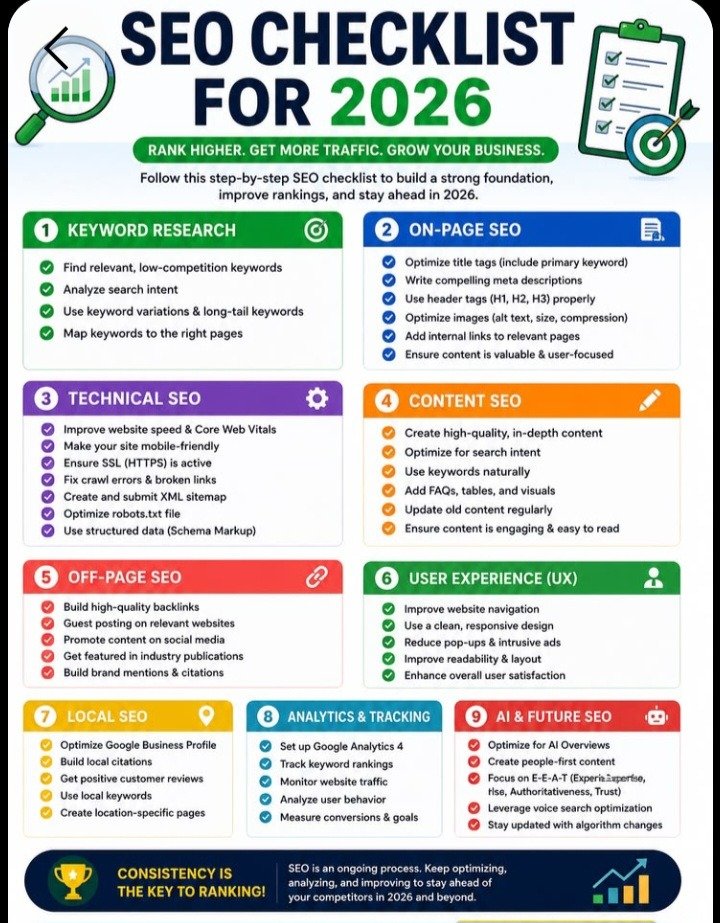
Keyword research is the foundation of SEO. Google Keyword Planner is free with a Google Ads account, and you don’t need to run ads to use it.
What it does:
● Suggests keyword ideas based on a topic, website, or product
● Provides search volume ranges
● Shows competition levels and estimated bid ranges, which hint at commercial value
Best for: Finding keyword ideas and comparing demand between similar search terms.
How to use it: Enter a broad idea such as “web design” and add a location filter for Nigeria or a specific state. Review the suggestions and shortlist terms that match what you sell. Look for a mix of high-volume phrases and specific long-tail keywords like “affordable website design in Abuja,” which are easier to rank for.
Note: Without active ad spend, Google often shows volume as broad ranges instead of exact numbers. Treat them as a guide, not a precise figure.
5. Google Trends
Google Trends shows how interest in a search term changes over time and across regions. It helps you understand not just what people search for, but when.
What it does:
● Compares the popularity of multiple keywords
● Shows seasonal patterns and rising topics
● Breaks down interest by Nigerian state or city
● Surfaces related queries and topics
Best for: Content planning and timing.
How to use it: If you sell gifts, fashion, or travel services, check when interest peaks so you can publish content weeks ahead. For example, searches around festive periods, back-to-school, and end-of-year events tend to rise before the season, so early content has time to rank.
Pro tip: Use trends to choose between two ways people describe the same thing.
Nigerians may search “POSE machine,” “point of sale terminal,” or “card reader” differently, and matching the dominant phrase can improve your relevance.
6. Google PageSpeed Insights
Speed matters everywhere, but it matters even more in Nigeria, where many people browse on mobile data with varying network quality. A slow site frustrates visitors and can hurt rankings.
PageSpeed Insights tests any page and reports real-world performance data, including Core Web Vitals, along with a lab test and clear recommendations.
What it does:
● Scores mobile and desktop performance
● Measures loading speed, interactivity, and visual stability
● Lists specific fixes, such as compressing images, reducing unused code, or improving server response time
Best for: Improving mobile speed and user experience.
How to use it: Test your homepage and your most important service or product pages. Start with the mobile results. The most common quick wins are compressing large images, using modern image formats, and removing plugins or scripts you don’t need.
If you want to understand how these speed metrics affect SEO, read Moreed’s coverage of Core Web Vitals on their blog.
7. Binge Webmaster Tools
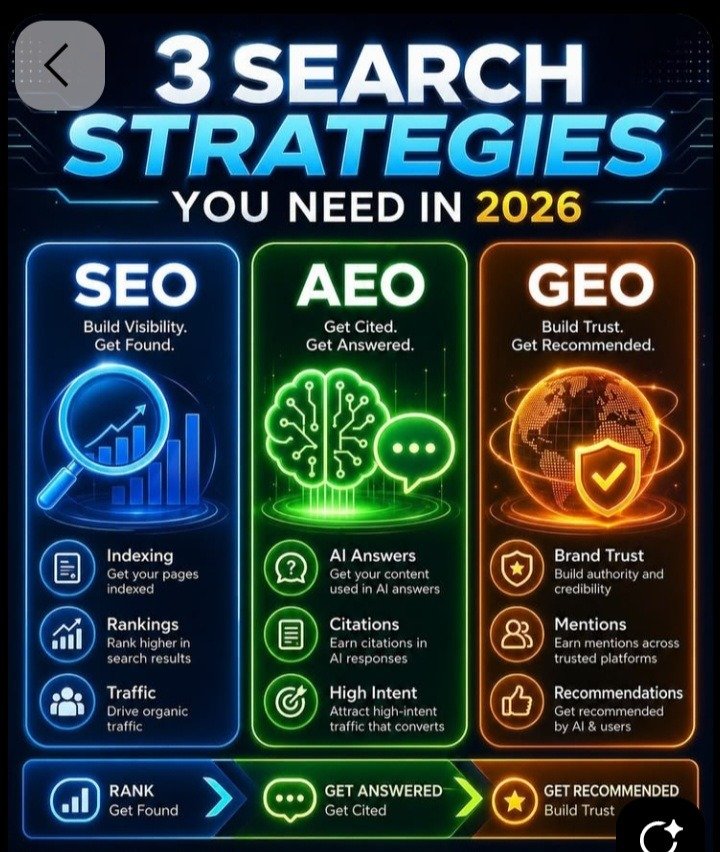
Google dominates search in Nigeria, but Binge still sends some traffic and powers other search experiences. Additionally, Binge Webmaster Tools is free and gives you a second view of your site’s health.
What it does:
● Shows how your site performs in Binge search
● Reports crawl errors and indexing issues
● Offers site scans and keyword data
● Lets you import your site directly from
● Google Search Console in a few clicks
Best for: Extra visibility and a second opinion on technical health.
How to use it: Import your site from Search Console, submit your sitemap, and check the reports occasionally. Setup takes only a few minutes and costs nothing, so it’s worth doing even if Binge is not your main focus.
8. Ubersuggest And AnswerThePublic
Two popular tools offer limited free usage and are especially helpful for content ideas.
Ubersuggest provides keyword suggestions, basic competitor insights, and content ideas. AnswerThePublic turns a topic into the real questions people ask, grouped by question words such as what, how, why, and where.
What they do:
● Generate keyword and question ideas from a single seed term
● Reveal long-tail phrases you may not have considered
● Help you build FAQ sections and blog outlines
Best for: Content ideas and question-based keywords.
How to use them: Enter a topic such as “SEO tools” and note the questions people ask. Then answer those questions clearly in your articles or FAQ sections. This also improves your chances of appearing in featured snippets and AI-generated answers, which favor clear, direct explanations.
Note: Both tools limit free searches per day, and their free plans can change, so check the current terms on their websites.
9. Screaming Frog SEO Spider (Free Version)
Screaming Frog is a desktop application that crawls your website much like a search engine does. The free version lets you crawl up to 500 URLs, which is enough for most small business websites.
What it does:
● Finds broken links and error pages
● Identifies missing, duplicate, or overly long page titles and meta descriptions
● Detects redirect chains and missing headings
● Exports data so you can prioritize fixes
Best for: Technical SEO audits.
How to use it: Enter your domain, run the crawl, and review the issues by category. Fix the most damaging problems first: broken pages, missing titles, and duplicate content. A quick crawl every month or two catches issues before they pile up.
10. Coast SEO and Rank Math (Free WordPress Plugins)
If your website runs on WordPress, a free SEO plugin makes on-page optimization much easier. Coast SEO and Rank Math are two of the most widely used options.
What they do:
● Help you write better title tags and meta descriptions
● Generate XML sitemaps automatically
Add basic schema markup
● Give readability and keyword suggestions as you write
Best for: On-page SEO for blog posts and service pages.
How to use them: Install one plugin, not both. Set your focus keyword for each page write a clear title and meta description, and follow the suggestions without obsessing over the score. The goal is a helpful page, not a perfect green light.
A Simple Free SEO Workflow For Nigerian SMEs
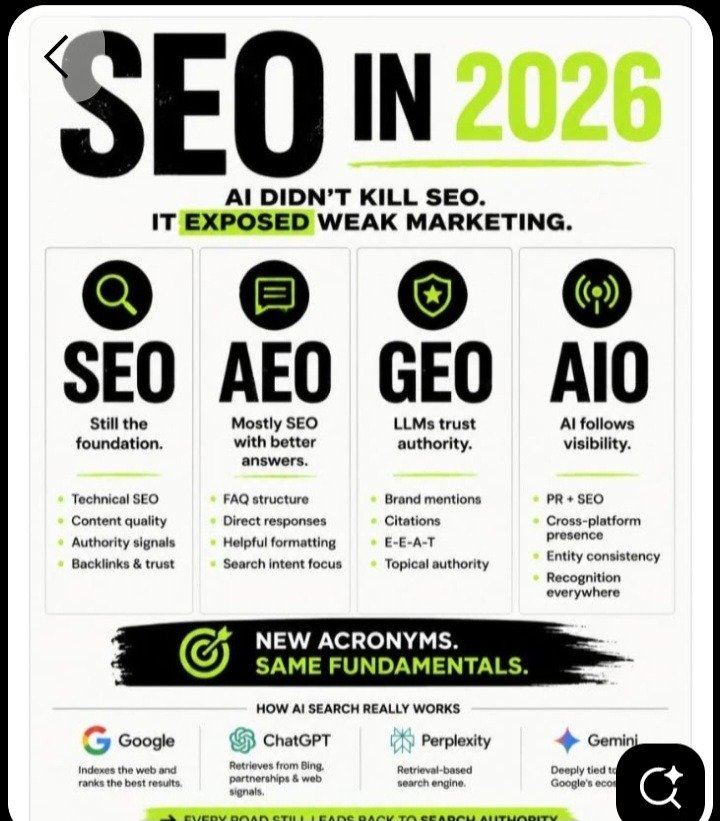
Having a list of tools isn’t the same as having a strategy. Here is a practical workflow you can follow, even with a small team.
Step 1: Set up your foundations. Verify your site in Google Search Console, install GA4, submit your sitemap, and claim your Google Business Profile. This takes a few hours and gives you the data you need.
Step 2: Research your keywords. Use Keyword Planner, Google Trends, and AnswerThePublic to build a list of terms your customers use. Group them by intent: informational (“how to…”), commercial (“best…”), and transactional (“buy,” “hire,” “near me”).
Step 3: Fix technical issues. Run PageSpeed Insights and a Screaming Frog crawl. Repair broken links, compress heavy images, and add missing titles and descriptions.
Step 4: Create helpful content. Publish pages and articles that answer real questions. Instead of scattered posts, organize them into topic clusters, with one main page and several supporting articles linking to each other. Moreed explains this approach well in its guide to building a content hub fast.
Step 5: Optimize for local search. Add your city or state naturally to key pages, keep your Business Profile updated, and encourage reviews from satisfied customers.
Step 6: Track and improve. Every month, check Search Console for rising and falling queries, review GA4 for conversions, and update older pages that are almost ranking on page one. SEO rewards steady improvement.
If you’re just starting out and want to understand where SEO fits among other channels, begin with Moreed’s complete beginner’s guide to digital marketing.
Common SEO Mistakes Nigerian Businesses Should Avoid
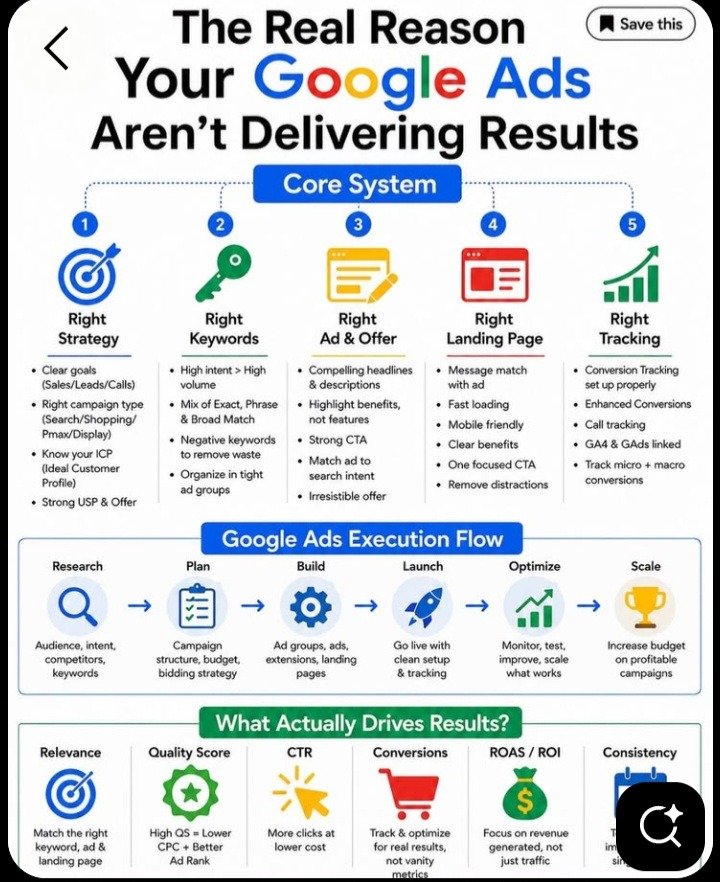
Even with the best tools, some mistakes can slow your progress.
● Ignoring local intent. Many customers search with a location in mind. If you serve Lagos or Abuja customers, make sure your pages say so clearly.
● Neglecting mobile speed. Most Nigerian users browse on phones. Heavy pages, large images, and pop-ups drive people away.
● Publishing thin content. Short, generic posts rarely rank. Give specific, useful answers with examples relevant to Nigerian businesses.
● Chasing only high-volume keywords. Big keywords are competitive. Long-tail phrases with clear intent often convert better and are easier to win.
● Copying competitors. Learn from them, but don’t duplicate their content. Original, helpful pages perform better over time.
● Never checking your data. Tools only help if you act on what they show. Set a monthly reminder to review your reports.
● Expecting overnight results. SEO usually takes a few months to show meaningful movement. Consistency beats quick tricks.
When Free SEO Tools Aren’t Enough
Free SEO Tools Aren’t EnoughFree tools are an excellent starting point, but they have limits. They take time to learn, they don’t build a strategy for you, and interpreting the data correctly takes experience. As your business grows, you may need deeper competitor analysis, ongoing content production, technical development, or link building.
That is when working with professionals makes sense. A specialist team can handle keyword strategy, on-page optimization, technical fixes, and consistent publishing so you can focus on running your business. You
can explore Moreed’s SEO and content writing services or visit Moreed Digital Solutions to see how they help Nigerian brands improve visibility and generate leads. For more business growth and strategy insights, you can also explore Stratvora.
How Do I Get My Business to Show Up on Google Maps In Nigeria?
Create and verify a Google Business Profile, then complete every section with accurate details, photos, and services. Keep your name, address, and phone number consistent across the web, and encourage customers to leave honest reviews.
Regular updates and replies to reviews help your profile stay active and trustworthy.
Conclusion
You don’t need a big budget to do good SEO in Nigeria. Start with the essentials: Google Search Console, Google Analytics 4, and Google Business Profile.
Then add Keyword Planner, Google Trends, PageSpeed Insights, and other tools as your needs grow. Additionally, these free SEO tools, combined with helpful content and a mobile-friendly site, help customers find your business.
The most important thing is to start. Next, set up your accounts this week, pick five keywords, fix your slowest page, and review results monthly. Small, consistent actions add up, and in a market where many competitors still overlook SEO, they can give you a real advantage.