
Every week, thousands of Nigerian businesses publish blog posts, service pages, and product descriptions. A few climb to the first page of Google and bring in steady leads. Most sit on page six, collecting dust.
The difference is rarely luck, and it isn’t always budget. It comes down to how the content was planned, written, and structured. That is what SEO content writing in Nigeria is really about: creating pages that match what people search for, answer their questions better than the competition, and give Google clear reasons to trust them.
This guide breaks down exactly what separates content that ranks from content that doesn’t, with practical steps you can apply to your own website today.
What Is SEO Content Writing in Nigeria?
It is the process of creating website content, such as blog posts, service pages and product descriptions, that is optimized to rank on Google while serving the needs of Nigerian readers.
It combines keyword research, search intent, quality writing and on-page optimization.
What Is SEO Content Writing, Really?
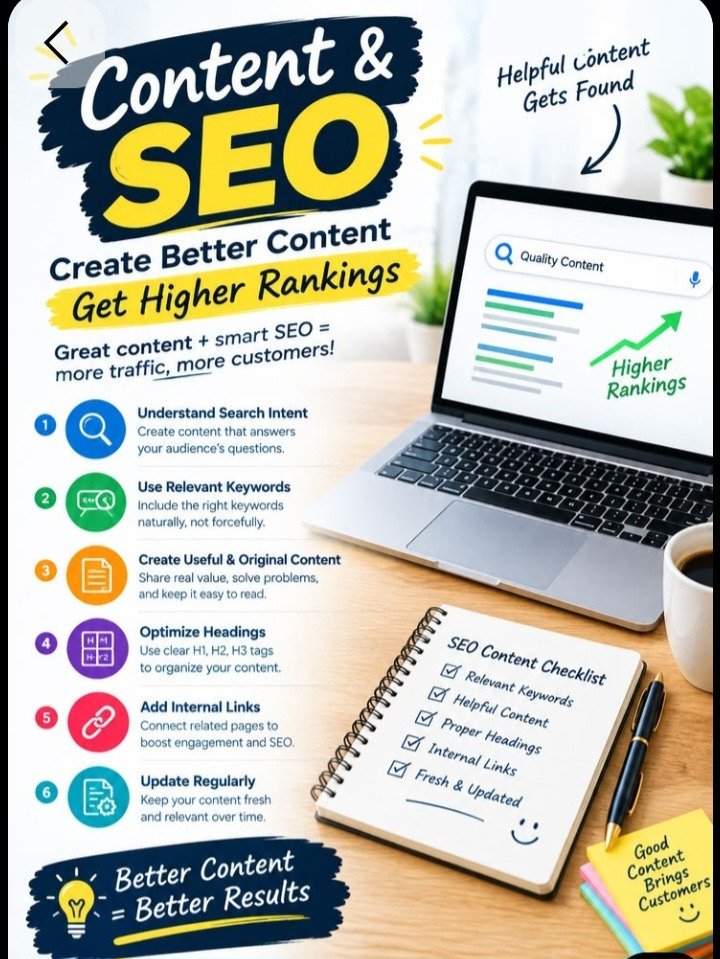
SEO content writing is the practice of creating content that serves two audiences at once: the human reader and the search engine. The human wants a clear, useful answer. The search engine wants signals that your page is relevant, trustworthy and easy to understand.
Many people reduce it to “adding keywords.” That is where most Nigerian websites go wrong. Keywords matter, but they are only one ingredient. If you want a foundation before going deeper, Stratvora’s guide on what SEO is for small businesses and why you actually need it explains the basics clearly.
Google’s own guidance is direct on this point. It says its systems prioritize helpful, reliable, people-first content rather than content made mainly to manipulate rankings. That single idea explains most of the gap between ranking and non-ranking content.
How Long Does It Take For SEO Content to Rank On Google?
Most new content takes around three to six months to show meaningful movement, though this varies with competition, website authority, and content quality.
Low-competition, long-tail keywords can rank sooner. Consistency matters more than speed.
Difference 1: Content That Ranks Matches Search Intent

Search intent is the reason behind a search. Someone typing “how much does a website cost in Nigeria” wants a price breakdown, not a sales pitch about your agency’s history.
Content that ranks looks at what Google already shows for a keyword and works out what the searcher needs. Is it a guide, a comparison, a list, or a service page? It then delivers that format, with a better answer.
Content that doesn’t rank is written around what the business wants to say. The topic might be right, but the page answers a different question from the one being asked.
Before you write anything, search your target keyword and study the first page. Note the headings, the angle and the questions answered. Then ask how you can be more complete, more current and more useful.
Difference 2: Content That Ranks Starts With Real Keyword Research
Guessing keywords is one of the most expensive mistakes in content marketing. You can write 50 articles on phrases nobody searches, or phrases so competitive that a new site has no chance.
Strong keyword research balances three things: search volume, competition and relevance to your business. For a young website, long-tail phrases such as “SEO content writing for small businesses in Abuja” are often easier to win than broad terms like “SEO.”
You don’t need an expensive subscription to start. Moreed has a useful list of the best free SEO tools for Nigerian businesses in 2026 that covers keyword research, site audits and tracking.
Once you’ve chosen your main keyword, place it naturally in these spots:
● The title and the first paragraph
● At least one subheading
● The meta description and URL
● The conclusion
Then use related phrases and natural variations throughout. Repeating the same keyword awkwardly (keyword stuffing) hurts readability and can hurt rankings.
Difference 3: Content That Ranks Goes Deeper

Thin content is the quiet killer of Nigerian websites. A 400-word post that repeats what ten other sites already said gives Google no reason to rank it.
Content that ranks usually does at least one of these things:
● Covers the topic more completely than competing pages
● Adds original examples, local data or first-hand experience
● Answers follow-up questions the reader is likely to have
● Is clearer and easier to act on
Length alone is not the goal. A 2,000-word article full of filler will lose to a focused 1,200-word article that solves the problem. Aim for completeness, not word count. For competitive topics, though, depth usually does mean longer, well-structured content.
Google has also said that its AI-driven search features reward unique, non-commodity content that gives visitors real value. Generic, copy-and-paste articles are exactly what gets filtered out.
Difference 4: Content That Ranks Is Easy To Scan
Most Nigerians read online on their phones, often on mobile data, and often in a hurry. If your article opens with a wall of text, they leave. When they leave quickly, that behavior tells Google something about your page.
Readable SEO content uses:
● One clear H1 that contains the main keyword
● H2 and H3 subheadings that break the topic into logical sections
● Short paragraphs of two to four sentences
● Plain language instead of jargon
● Bullet points where lists help
● A direct answer near the top, so readers see value immediately
Good structure also helps Google understand your page and can win featured snippets, which are the answer boxes at the top of search results.
Difference 5: Content That Ranks Shows Experience and Trust
Google evaluates content using the idea of E-E-A-T: Experience, Expertise, Authoritativeness and Trustworthiness. You can’t fake this with keywords. You show it by:
● Writing from real experience, such as client results, tested methods or local case studies
● Naming the author and explaining why they are qualified
● Giving accurate, up-to-date information
● Citing credible sources
● Displaying contact details, an About page and clear business information
This matters even more in Nigeria, where online trust is a real issue. Readers are cautious about scams, and a page that looks anonymous or vague loses them fast. If you want to understand how this connects to visibility more broadly, read Moreed’s breakdown of why Nigerian businesses don’t rank on Google and five fixes that actually work.
Difference 6: Content That Ranks Is Connected Through Internal Links
A single article rarely ranks on its own. Pages that rank well usually sit inside a cluster of related content, linked together so that Google understands your topical authority.
Here is how it works in practice. You publish a main guide on SEO content writing, then support it with articles on keyword research, content strategy, costs and tools.Each supporting piece links back to the main guide, and the main guide links out to them.
Moreed’s content marketing strategy for Nigerian businesses is a good example of the planning behind this approach, from setting goals to mapping topics and publishing consistently.
Content that doesn’t rank is usually isolated. It is published once, never linked from anywhere, and forgotten.
Difference 7: Content That Ranks Sits on a Healthy Website
Great writing can’t fully compensate for a poor website. Even the best article will struggle if the page:
● Loads slowly on mobile
● Isn’t secured with HTTPS
● Has broken links or messy navigation
● Is hard to read on a small screen
● Isn’t indexed by Google
Think of content as the engine and your website as the car. You need both working. This is why businesses that invest in SEO often pair it with a proper site rebuild or technical clean-up. Stratvora’s SEO services are a good example of how technical setup, on-page optimization and content are combined into one strategy rather than handled separately.
How Long Should An SEO Article Be?
There is no fixed number. Cover the topic fully and answer the reader’s questions without padding. Competitive topics often need 1,500 to 2,500 words, while simple queries may need far less.
Difference 8: Content That Ranks Is Updated and Consistent
Publishing once and walking away is one of the most common patterns among non-ranking sites. Search results change. Prices change. Tools change. A guide titled “2026” that still contains 2023 data will lose to a fresher competitor.
Winning websites do two things:
● Publish consistently, even if it’s only two quality articles a month
● Refresh older posts with new data, new examples and improved structure
Consistency also builds trust over time. SEO is a long game, and it helps to set realistic expectations. Stratvora’s article on how long SEO takes to work gives honest timelines, so you don’t quit before results appear.
What Makes SEO Content Writing In Nigeria Unique?
Nigeria has its own search habits, and smart writers use them.
Mobile comes first. Most searches happen on phones, so short paragraphs, fast pages and clear formatting are essential.
Local context builds relevance. Mentioning real cities like Lagos, Abuja and Port Harcourt, quoting prices in naira, and referencing local realities such as power, data costs and payment habits makes content feel genuine and helps with local search.
Language is mixed. Many users search in standard English, but some also use Pidgin or local terms. Understanding how your audience actually phrases questions improves keyword choices.
Price questions dominate. Nigerians search heavily for costs, comparisons and “best” lists. Articles like Moreed’s guide on how much content writing costs in Nigeria target exactly this kind of high-intent query, and they work because they give real numbers.
The Most Common Reasons Content Doesn’t Rank
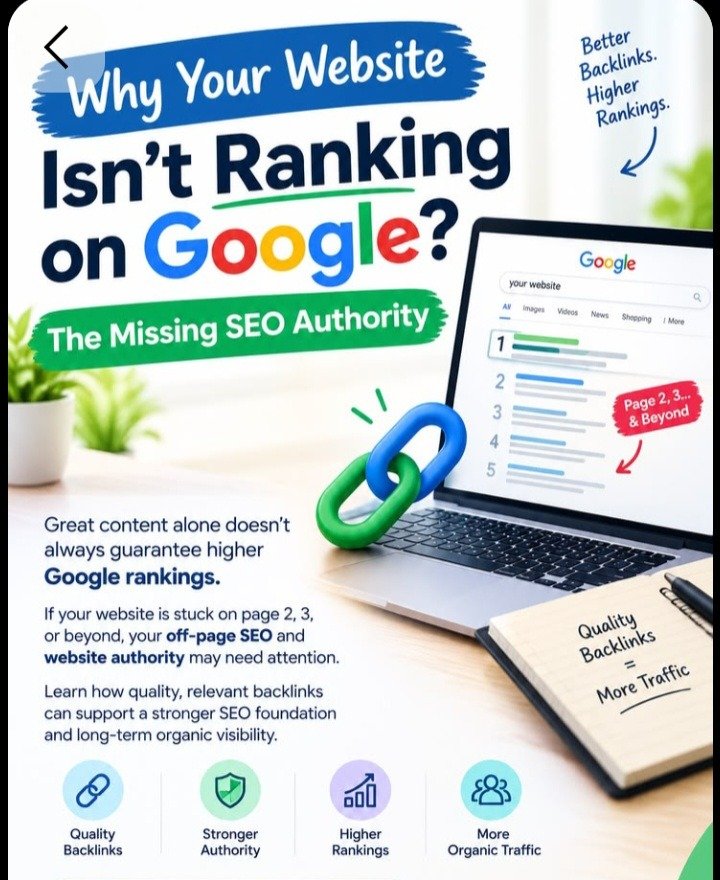
If your content isn’t performing, check this list honestly:
● It targets a keyword nobody searches, or one that is far too competitive
● It doesn’t match search intent
● It’s too short or too similar to existing results
● It has no clear structure or subheadings
● It has no internal links pointing to it
● The website is slow, insecure or not mobile-friendly
● It was never promoted or updated
● It reads like it was written for a robot
Fixing even two or three of these often moves a page up noticeably.
A Simple Checklist Before You Hit Publish
Use this before every article goes live:
- Have I chosen one primary keyword and a few related phrases?
- Does my content match what the searcher actually wants?
- Is my title clear, accurate and under about 60 characters?
- Is my meta description compelling and under about 155 characters?
- Do my headings use H2 and H3 tags logically?
- Have I linked to at least three relevant internal pages?
- Have I included one or two credible external sources?
- Is the article easy to read on a phone?
- Does it include an FAQ section that answers real questions?
- Is there a clear next step for the reader?
Should You Write In-House, Hire A Freelancer Or Use An Agency?
There is no universal answer. In-house writing gives you control but demands training and time. Freelancers can be cost-effective but vary widely in quality and reliability. Agencies offer a full team covering strategy, writing, editing and technical SEO, usually at a higher cost.
If you’re weighing the options, Moreed’s honest comparison of a digital marketing agency vs a freelancer in Nigeria looks at cost, risk, results and scalability so you can decide based on your situation.
If you’d rather hand the work over, Moreed Digital Solutions offers professional SEO and content writing services from Abuja, covering blog articles, long-form SEO content, and optimization of existing pages.
Can I Write SEO Content Myself, Or Should I Hire A Professional?
You can write it yourself if you have the time to learn keyword research and on-page SEO. Many businesses hire a professional writer or agency to save time and get faster, more consistent results.
Conclusion: Rankings Are Built, Not Bought
The difference between content that ranks and content that doesn’t comes down to discipline. Content that ranks understands its reader, targets the right keyword, goes deeper than competitors, reads easily, earns trust, links to related pages, lives on a healthy website, and gets updated over time.
Content that doesn’t rank skips most of those steps and hopes for the best.
SEO content writing in Nigeria is a real opportunity right now. Many local websites still publish thin, generic content, which means a business willing to do it properly can stand out quickly. Start with one well-researched article, apply the checklist above, build around it with related posts, and give it time to work.