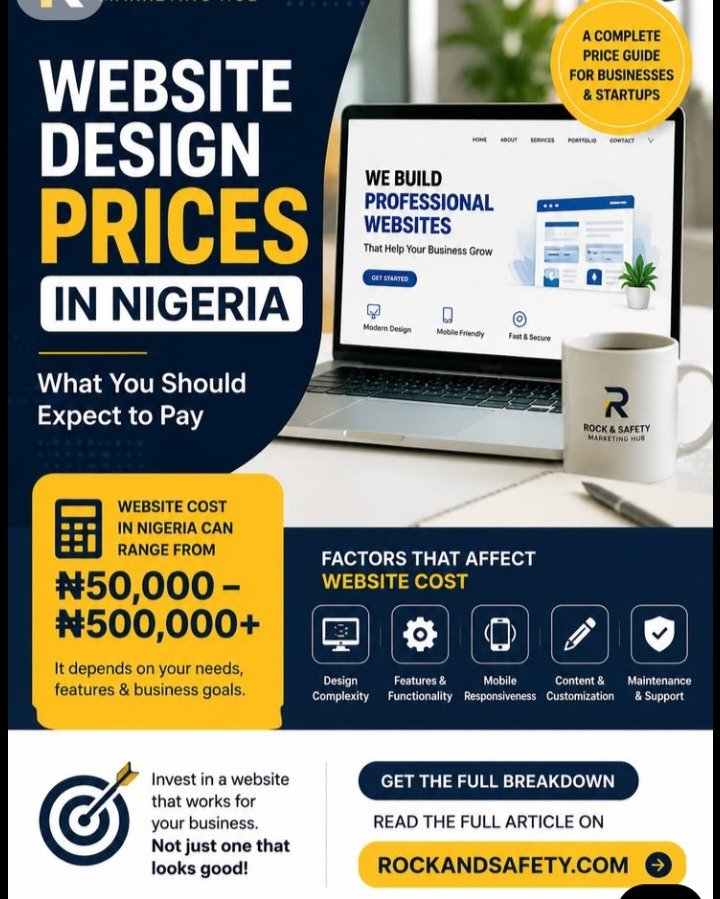
If you are asking “how much does a website cost in Nigeria?” you have probably seen quotes ranging from ₦30,000 to ₦5,000,000 and wondered why the gap is so wide. It is confusing, and it leads many business owners to overpay or to pick a cheap option that fails within months.
This guide breaks down website cost in Nigeria in 2026 using realistic Naira pricing, explains what you are actually paying for, and shows you how to budget without getting scammed.
What Is The Cheapest Website Cost in Nigeria?
The cheapest professional option is a simple landing page, which typically costs ₦80,000 to ₦250,000.
You may find offers below ₦50,000, but they often use poor-quality templates, have limited support and may lack SEO and security.
Quick Answer: How Much Does a Website Cost In Nigeria In 2026?
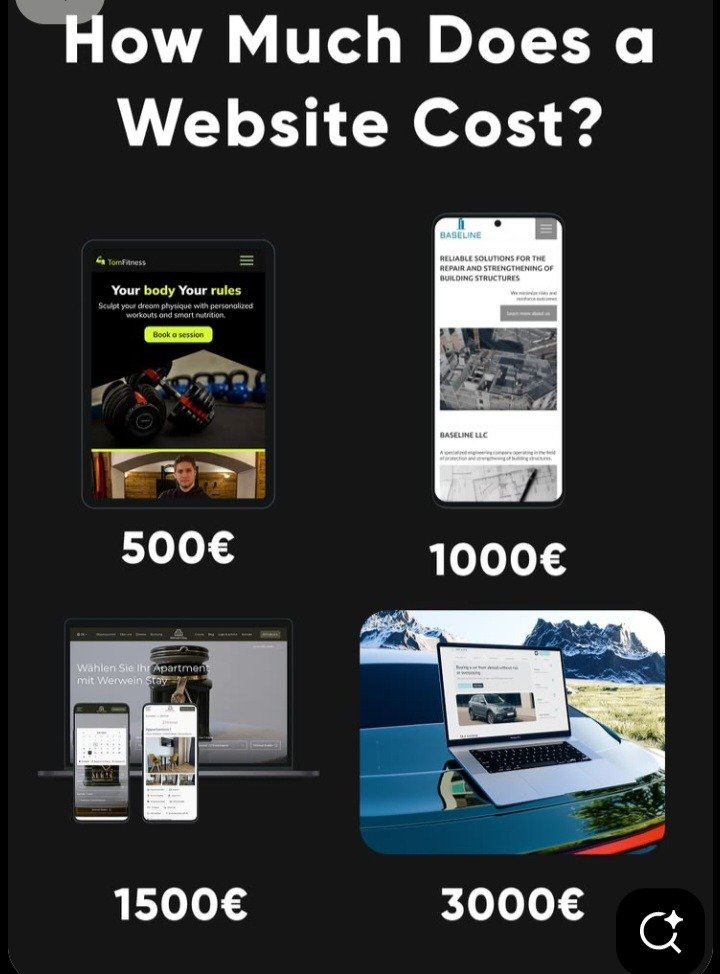
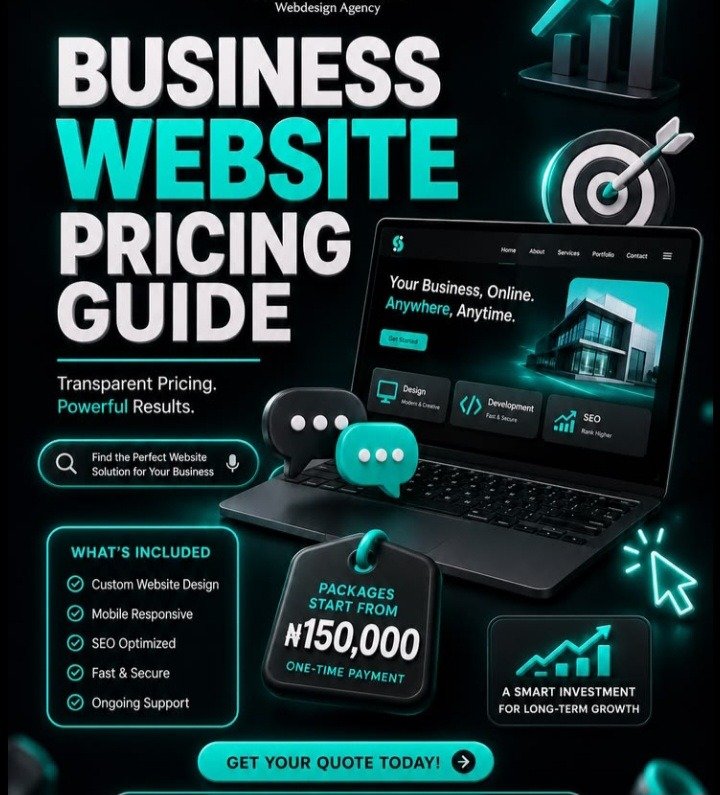
Most Nigerian businesses will spend between ₦150,000 and ₦800,000 for a professional business website. Here is the overview by website type:
● Basic landing page: ₦80,000 – ₦250,000
● Small business or company website: ₦250,000 – ₦800,000
● Blog or news website: ₦200,000 – ₦700,000
● E-commerce website: ₦500,000 – ₦3,000,000
● School, NO or church website: ₦200,000 – ₦900,000
● Custom web application or portal: ₦2,000,000 – ₦15,000,000+
● Mobile-responsive redesign: ₦150,000 – ₦1,000,000
These ranges reflect what freelancers, agencies and development studios commonly charge across Lagos, Abuja, Port Harcourt and other cities. Exact pricing depends on features, design quality, timeline and who you hire.
How Much Does an E-commerce Website Cost In Nigeria In 2026?
An e-commerce website in Nigeria usually costs between ₦500,000 and ₦3,000,000. The price depends on the number of products, payment gateways, delivery integration and custom features. Large marketplaces can cost more.
Why Website Prices In Nigeria Vary So Much
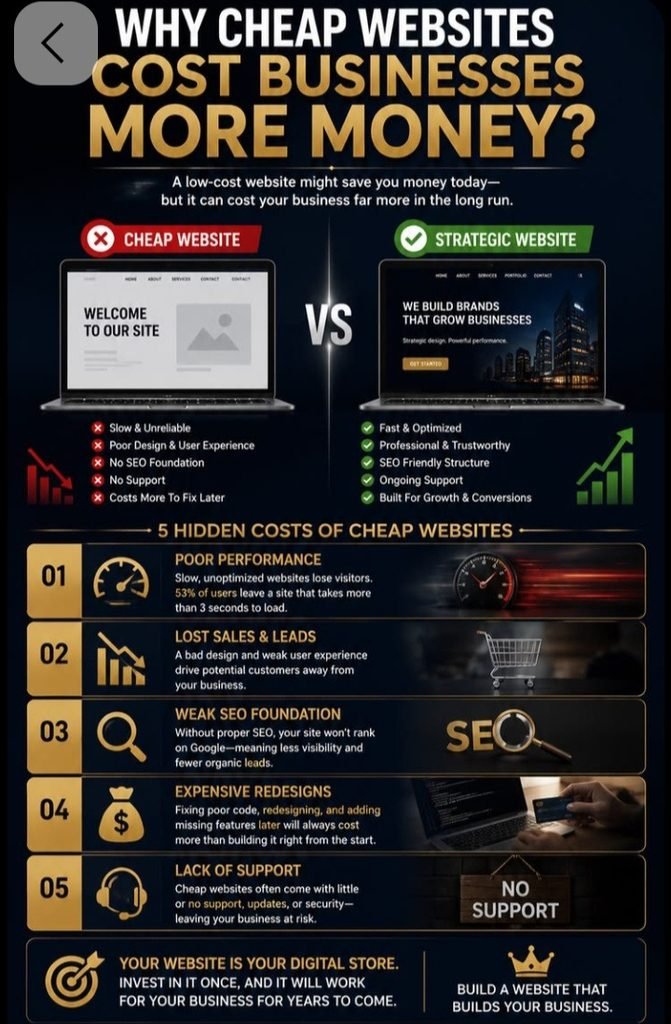
Two businesses can ask for “a website” and get quotes ₦1,000,000 apart. The difference usually comes from the following.
1. Who builds it? A student or beginner freelancer may charge ₦30,000 to ₦100,000. An experienced freelancer typically charges ₦150,000 to ₦400,000. A professional agency charges more because you get designers, developers, copywriters and project managers, plus accountability and after-sales support.
2. Design approach. A per-made template is cheaper than a fully custom design. Custom design means your site is built around your brand and customers, which takes more time and costs more.
3. Functionality. A five-page brochure site is simple. Online payments, user accounts, booking systems, multi-vendor marketplaces and Apish all add development hours.
4. Content and SEO. Professional copywriting, product photography and on-page SEO setup are often billed separately or bundled into higher packages.
5. Support and maintenance. Cheap sites often come with no support. Good providers include training, security and maintenance options.
Website Cost In Nigeria by Type (Real Pricing Breakdown)
1. Landing Page: ₦80,000 – ₦250,000
A landing page is a single-page website designed to promote one product, service or event. It is ideal for ad campaigns, lead generation and new businesses testing the market.
Expect a mobile-friendly design, a contact or lead form, WhatsApp integration, basic SEO and fast loading. This is the cheapest legitimate way to get online, and a good start if your budget is tight.
2. Business Or Corporate Website: ₦250,000 – ₦800,000
This is the most common choice for Nigerian SMEs, consultants, law firms, clinics, real estate companies and service providers. It usually has 5 to 10 pages: Home, About, Services, Portfolio or Gallery, Blog and Contact.
At the lower end (₦250,000 to ₦400,000), expect a template-based WordPress site with basic customization. At the upper end (₦500,000 to ₦800,000), expect custom design, stronger SEO, copywriting support, speed optimization and integration such as CRM, email marketing and analytics.
If you want a done-for-you build, look at custom web design, web application and e-commerce development services and request a quote based on your page count and features.
3. E-commerce Website: ₦500,000 – ₦3,000,000
An online store costs more because it needs product catalogs, shopping carts, secure checkout, inventory management and payment gateways such as Pay stack or Flutter wave.
A starter store with up to 50 products typically costs ₦500,000 to ₦1,000,000. A mid-sized store with 200 to 1,000 products, delivery integration and discount systems typically costs ₦1,000,000 to ₦2,000,000.
Marketplaces, subscription stores and stores with custom features can exceed ₦3,000,000.
E-commerce also has ongoing costs, including payment gateway fees, hosting that can handle traffic, and product photography.
4. Blog or Content Website: ₦200,000 – ₦700,000
Blogs and news sites focus on content layout, categories, speed and ad placement. The cost depends on design complexity, ad network integration and any membership features.
5. School, NO And Church Websites: ₦200,000 – ₦900,000
These sites often need admission forms, donation buttons, event calendars, sermon or media libraries, and student portals. A simple informational site sits at the lower end, while one with portals and payment integration moves toward the higher end.
6. Custom Web Applications: ₦2,000,000 – ₦15,000,000+
Fintech platforms, booking systems, logistics dashboards, SaaS tools and learning management systems are not “websites” in the traditional sense. They require software architecture, databases, security and ongoing development. Prices vary widely with scope, and a proper discovery phase is essential before any quote is accurate.
The Hidden Costs Of A Website In Nigeria (Don’t Ignore These)
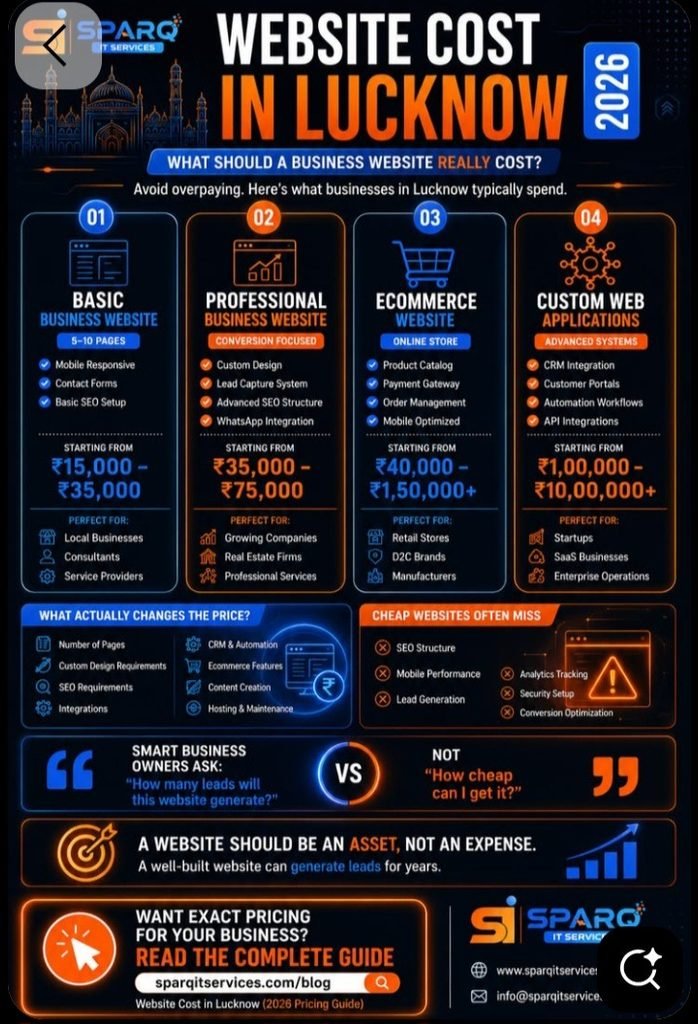
Many people only budget for the design fee and get surprised later. These are the recurring and optional costs to plan for.
Domain Name
Your domain is your web address, for example yourbusiness.com.mg. Approximate annual costs in Nigeria:
● .com: ₦15,000 – ₦25,000 per year
● .com.mg: ₦5,000 – ₦12,000 per year
● .mg: ₦20,000 – ₦40,000 per year
The Nigeria Internet Registration Association (NiRA) manages the .mg domain space, and you can learn more on the official NiRA website. Prices vary by registrar, so compare before buying.
Web Hosting
Hosting is where your website files live. Costs depend on traffic and resources:
● Shared hosting: ₦15,000 – ₦60,000 per year
● CPS or cloud hosting: ₦100,000 – ₦400,000 per year
● Dedicated servers: ₦500,000+ per year
A cheap host can mean slow loading and downtime, which hurts both customers and Google rankings.
ISL Certificate
An ISL certificate (the padlock and “https”) is essential for security and SEO. Many hosts include it free, but premium certificates can cost ₦20,000 to ₦100,000 per year.
Website Maintenance
Websites need regular updates, backups and security checks. Maintenance plans commonly cost ₦20,000 to ₦100,000 per month, depending on the workload. Skipping maintenance is one of the main reasons sites get hacked or break.
Premium Themes and Plugins
Templates and plugins can cost ₦20,000 to ₦150,000 yearly. Reputable developers include these in their quotes, so ask what is covered. If you use WordPress, the official WordPress.org site is a good place to learn how themes and plugins work.
Content Creation
Professional copywriting, photography and video are often separate costs: ₦5,000 to ₦20,000 per page for copywriting, and ₦50,000 to ₦300,000 for product or brand photography. If you would rather outsource it, professional SEO content writing and on-page optimization can be bundled with your build.
Search Engine Optimization (SEO)
Basic on-page SEO may be included in your build. Ongoing SEO to rank on Google typically costs ₦100,000 to ₦500,000 per month, depending on competition. A site that is not optimized will look good but get no traffic. For service businesses that serve a specific city, this guide to local SEO strategies for Nigerian businesses explains how to show up in “near me” searches and Google Maps.
Payment Gateway and Third-Party Fees
Gateways typically charge a percentage per transaction. Email marketing tools, live chat, booking software and CRMs may also carry subscriptions.
Do I Have To Pay Yearly For A Website In Nigeria?
Yes. Even after the build, you pay yearly for your domain name and hosting, and possibly for ISL, premium plugins and maintenance. Budget roughly ₦30,000 to ₦150,000 per year for a basic business site, more for larger or high-traffic sites.
Freelancer vs Web Design Agency in Nigeria: Which Is Right for You?
Hiring a Freelancer
Pros: Lower cost, flexible, direct communication.
Cons: Quality varies, limited capacity, risk of disappearing mid-project, and fewer services such as branding, SEO and marketing.
Hiring an Agency
Pros: Structured process, a full team, contracts, support and long-term reliability.
Cons: Higher upfront cost.
If your website is central to your revenue, an agency is usually the safer investment. If you are weighing options in the capital, this list of the best digital marketing agencies in Abuja in 2026 shows what to compare, and Moreed’s digital marketing and web development blog has further guides on budgeting and growth.
Ready-Made Template vs Custom Website
Template websites (₦80,000 to ₦400,000) are faster and cheaper. They suit startups and small service businesses but may look similar to competitors and have limited flexibility.
Custom websites (₦400,000 and above) are built from scratch around your brand and goals. They are better for performance, scalability and standing out, and they are worth the extra cost if you plan to grow.
If you are building a brand and a website together, a team that offers website development and brand identity design in one package can keep your logo, colors and messaging consistent across the site.
What A Good Website Package Should Include
Before paying anyone, confirm that your quote clearly covers:
● Mobile-responsive design
● Fast loading speed
● On-page SEO setup (titles, meta descriptions, clean URLs)
● Contact forms and WhatsApp integration
● Domain and hosting (or clarity on who pays)
● ISL certificate
● Admin training so you can edit your site
● Number of revisions and project timeline
● Post-launch support period
● Ownership of your website files and domain
If any of these are missing, ask why. Vague quotes usually mean hidden charges later.
How Long Does It Take To Build A Website In Nigeria?
● Landing page: 3 to 7 days
● Business website: 2 to 4 weeks
● E-commerce website: 4 to 8 weeks
● Custom web application: 2 to 6 months
Delays usually come from late content, slow feedback or changing requirements. Sending your text, logos and images early speeds up the process.
How Long Does It Take To Build A Website In Nigeria?
A landing page can take under a week, a business website takes 2 to 4 weeks, and an e-commerce store takes 4 to 8 weeks. Complex web applications can take several months.
Red Flags: How To Avoid Website Scams In Nigeria
Nigeria has many genuine developers, but there are also people who collect deposits and disappear. Watch for these warning signs:
● Prices that are too good to be true. A full e-commerce store for ₦30,000 is not realistic.
● No portfolio or live examples. Ask to see real projects and, if possible, speak to past clients.
● No written agreement. Always get a contract or at least a detailed invoice and scope of work.
● Refusing to give you ownership. You should own your domain and website files.
● Demanding 100% upfront. Standard practice is a deposit (typically 50%) with the balance on milestones or completion.
● No registered business. You can verify business registration through the Corporate Affairs Commission (CACAO).
How to Budget for Your Website In 2026
Step 1: Define your goal. Do you want leads, online sales, bookings or just credibility? Your goal determines the features you need.
Step 2: Set a realistic range. For most small businesses, ₦250,000 to ₦600,000 delivers a solid professional site. Add 15% to 20% of the build cost as an annual budget for hosting, domain and maintenance.
Step 3: Request multiple quotes. Compare at least three providers, looking at scope rather than just price.
Step 4: Priorities essentials first. Launch with core features and add advanced ones as revenue grows.
Step 5: Plan for marketing. A website without traffic is like a shop on a hidden street. Budget for SEO, social media or ads. A partner offering digital performance marketing and optimization can help you turn the new site into a lead source.
Is A Cheap Website Worth It?
A ₦50,000 website may seem attractive, but cheap sites often come with slow hosting, copied templates, poor security and no SEO. You may end up paying again to rebuild it within a year.
Think in terms of return on investment: if a ₦400,000 website brings in five new clients a month, it pays for itself quickly. Cheap is only good if it still meets your business needs.
Factors That Will Influence Website Prices In Nigeria In 2026
● Exchange rate and inflation: Many tools, plugins, hosting plans and themes are priced in dollars, so currency movements affect Naira costs.
● Mobile-first demand: Most Nigerians browse on phones, so mobile performance is now a basic requirement, not a premium feature.
● AI-assisted development: Some tasks are faster now, which can reduce time on simple builds, but strategy, design quality and security still need human expertise.
● Growth in online payments: More businesses are adding payment integration, which raises the average project scope.
● Higher SEO competition: More Nigerian brands are competing on Google, making optimization more important.
Can I Build A Website Myself Instead Of Hiring A Developer?
Yes. With website builders or WordPress you can create a basic site cheaply. However, DIY sites often lack professional design, speed optimization and SEO.
If your website drives sales or credibility, hiring professionals usually delivers better returns.
Real Examples of Website Budgets
Example 1: Small service business (consultant, salon, cleaning company)
Business website with 6 pages, WhatsApp integration and basic SEO: ₦250,000 – ₦400,000, plus ₦30,000 to ₦60,000 yearly for domain and hosting.
Example 2: Fashion brand starting online
E-commerce site with 40 products, Pay stack integration and delivery settings: ₦600,000 – ₦1,200,000, plus photography.
Example 3: Growing company needing a premium presence
Custom-designed corporate website with blog, case studies, CRM integration and advanced SEO: ₦800,000 – ₦2,000,000.
Example 4: Startup building a platform
Custom booking or marketplace platform with user accounts and payments: ₦3,000,000 – ₦10,000,000+, often delivered in phases.
Is it better to pay in installments for a website?
Most agencies accept a deposit (often 50%) and the balance on completion, or milestone-based payments for bigger projects. Always get the payment terms in writing.
Final Thoughts
What Should You Pay for a Website in Nigeria?
The real website cost in Nigeria in 2026 depends on what you need. A simple landing page may cost under ₦250,000, a professional business website usually falls between ₦250,000 and ₦800,000, and e-commerce or custom platforms can run into millions.
Match your budget to your goals, choose a trustworthy provider, and remember the ongoing costs of hosting, domain, maintenance and marketing.
Do not choose purely on price. Look at the portfolio, the scope, the support and the long-term value. A well-built website is one of the best investments you can make for your business.