If you recently launched a website or hired an agency for your business. In Lagos, Abuja, or Port Harcourt, you may be posting on Instagram to reach customers. Within the first two weeks, you likely ask the Nigerian standard question: how long until digital marketing shows results?
The honest answer is: it depends on the channel, your starting point, your budget, and how consistently you execute. But “it depends” isn’t useful when you’re trying to plan a marketing budget or explain to your business partner why the website isn’t printing money yet.
So this guide breaks the journey down clearly, from the fundamentals you must get right on day one to the climax: ranking highly on Google and turning that visibility into consistent sales.
Why This Question Matters More In Nigeria

Nigeria’s digital landscape has its own personality. Data costs money, so people are deliberate about what they click. Trust is earned slowly when a Nigerian buyer wants to see reviews, a working phone number, and proof before they pay.
Google still dominates search, but WhatsApp, Instagram, and TikTok often do the actual selling. And because so many small businesses are chasing the same keywords (“digital marketing agency in Lagos,” “fashion designer in Abuja”), competition for page one is fierce.
That means the general “3 to 6 months” answer you’ll find on international blogs needs a Nigerian filter. Some things move faster here (WhatsApp-driven word of mouth), and some things move slower (organic search authority, because domain competition and infrastructure gaps add friction).
How Long Does It Take Digital Marketing To Show Results In Nigeria?
Generally 3 to 6 months for early, measurable signals (leads, calls, inquiries), and 9 to 18 months for strong, sustained Google rankings, depending on your niche, city, and competition level.
The Fundamentals: What Has To Happen Before “Results” Are Even Possible
Before any timeline makes sense, the foundation has to be right. Skipping this stage is the single biggest reason Nigerian businesses feel digital marketing isn’t working. They measure results against a house that doesn’t have a foundation yet.
1.A website or page that actually converts: A slow, optimized, non-mobile-friendly website will sabotage every other effort. DataReportal’s Digital 2025 Nigeria report shows most of the country’s internet connections run on mobile networks. A site that loads slowly on average 3G/4G speeds loses visitors. Visitors never see your offer.
2. Clear, keyword-aligned content: Google needs to understand what you do and who you serve. This is where a resource like Moreed’s guide to building a content hub quickly becomes useful. Grouping related content around a core topic helps search engines trust your site faster. Do not publish random, disconnected posts.
3. Local and technical SEO groundwork: Google Business Profile, consistent NAP (name, address, phone number) across directories, and location-specific pages.
Nigerian businesses that rely on local customers can gain visibility from this step. A clinic in Ikeja and a bakery in Wuse illustrate the point. This step alone can determine whether they are visible. Moreed’s breakdown of local SEO strategies to dominate in Nigeria covers this in detail, including how proximity and prominence signals work in Nigerian cities specifically.
4. Tracking set up before you start. Google Analytics, Google Search Console, and a way to track calls or WhatsApp inquiries. Without this, you won’t actually know when results start, you’ll just be guessing.
Only once these fundamentals are in place does the “clock” for results genuinely start ticking. Businesses that skip this stage jump straight to boosting posts or running Facebook ads. They often burn budget without building anything durable.
Why Is My Digital Marketing Not Showing Results After One Month?
One month is usually the setup and indexing phase, not the results phase.
Search engines need time to crawl and trust new or updated pages. Paid campaigns require weeks of data before they optimize properly.
The Realistic Timeline: From Fundamentals To Climax

● Weeks 1–4: Setup And Early Signals
This is foundation-laying, not results-generating. You’re setting up your website, claiming your Google Business Profile, publishing your first set of keyword-targeted pages, and possibly running small test ads to validate messaging.
If you’re running paid ads (Google Ads or Meta Ads), you may see your first clicks, calls, or WhatsApp messages within days. Paid traffic is the fastest channel because you’re literally paying to skip the queue.
Organic search, however, shows almost nothing visible yet. Google needs to discover, crawl, and index your pages first. This is normal, not a failure.
● Months 1–3: The Indexing And Learning Phase
Your pages start appearing in Google’s index. You may begin ranking for very low-competition, long-tail keywords not your main target keyword yet, but variations of it.
Social media following grows slowly if you’re posting consistently. Paid ads move from “testing” to “optimizing,” where cost-per-lead starts dropping as you learn what messaging and audience actually converts Nigerian buyers.
This is also when businesses get nervous and quit. Don’t. According to Stratvora’s detailed breakdown of SEO timelines, most websites need at least 3 to 4 months of consistent optimization before meaningful organic traffic gains become visible and that’s a global average, not unique to Nigeria.
● Months 3–6: Early Conversions
This is where digital marketing starts to feel real. You begin ranking on page one for some of your target keywords, especially local, less competitive ones (“wedding photographer in Lekki” ranks faster than “photographer Nigeria”). Inbound inquiries increase. Paid campaigns hit break-even or better.
Your content blog posts, service pages, guides start pulling in organic visitors who didn’t know your business existed three months ago. For businesses running content marketing seriously, this is also when the compounding effect starts.
A blog post published in month one might get five visits in month one, fifty in month four, and hundreds by month eight provided the content is genuinely useful and properly optimized. This is exactly why a resource like Moreed’s guide on writing website content for beginners matters: content quality directly determines whether this compounding actually happens or fizzles out.
● Months 6–12: The Climb Toward Page One
This is the mid-game. Your domain has built some authority. Competitive keywords start moving up not to position one yet, but from page three to page one, then slowly up the rankings.
Backlinks from other Nigerian websites, press mentions, and directory listings start to matter more here. Social proof (reviews, testimonials, case studies) compounds your credibility signals, which Google and buyers both respond to.
Businesses that invested properly in the fundamentals stage now see it pay off their site loads fast, has strong content, and has been consistently active for months, so search engines trust it more than a newer competitor rushing to catch up.
● 12+ Months: The Climax Ranking High And Owning The Search Results
This is the stage every business owner is really asking about when they ask how long digital marketing takes: sustained, high rankings for your most valuable, most competitive keywords, with organic traffic that keeps generating leads without you paying for every single click.
At this stage:
● You’re ranking in the top 3 positions for your primary keywords in your city or niche.
● Organic traffic becomes your cheapest, most reliable lead source.
● Your content library (now dozens of pages deep) captures a wide range of related searches, not just your main keyword.
● Paid ads become a growth accelerator rather than your only lead source; you’re layering a budget on top of an already-working organic engine instead of relying on ads alone.
● Your brand starts showing up in “best of” searches, comparison searches, and branded searches (“[your business name] reviews”).
Getting here in Nigeria’s competitive urban markets (Lagos, Abuja, Port Harcourt) typically takes 9 to 18 months of consistent execution faster in low-competition niches or smaller cities, slower in saturated categories like fashion, real estate, or digital services where hundreds of businesses are chasing the same keywords.
Can Digital Marketing Get Results In A Week In Nigeria?
Paid advertising can generate clicks, calls, or messages within days. Organic SEO and content marketing cannot depend on search engines indexing and ranking your site, which takes weeks to months at minimum.
How Long Does It Take Digital Marketing Channel-by-Channel
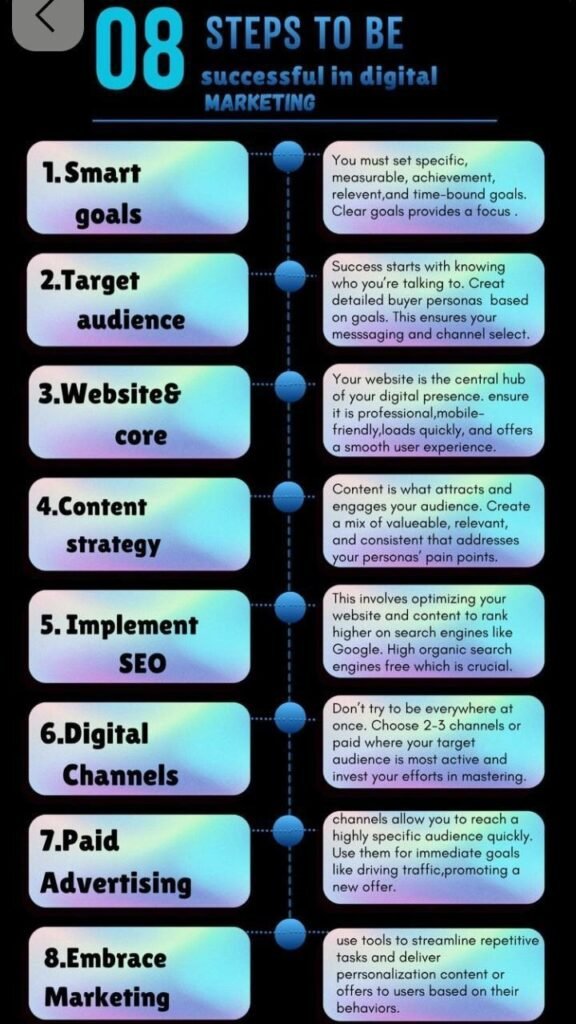
● Paid Search and Social Ads: First signals within 24–72 hours, meaningful results within 4–8 weeks. Fast, but stops the moment the budget stops, and cost-per-click varies widely by state.
● Local SEO / Google Business Profile: First signals within 2–4 weeks, meaningful results within 2–4 months. One of the highest-ROI channels for Nigerian service businesses, since it targets people actively searching nearby.
● Organic SEO (website content): First signals within 6–12 weeks, meaningful results within 4–9 months. Slower in competitive cities like Lagos and Abuja, faster for underserved local niches or smaller towns.
● Organic Social Media: First signals within days, but real audience growth that translates to sales usually takes 3–6 months. WhatsApp Business and Instagram tend to outperform Facebook for direct sales conversations in Nigeria.
● Email and WhatsApp Marketing: First signals the same day you send, with results building over a few weeks. Speed depends heavily on how large and warm your existing contact list already is.
A more general breakdown of how each core digital channel fits into a business’s overall strategy useful if you’re still deciding where to invest first is covered in Moreed’s ultimate guide to digital marketing strategies for startups, and if you want the plain-English version of what digital marketing actually includes before you commit budget, Stratvora’s complete guide to digital marketing for small business owners is a solid starting point.
Factors That Speed Up Or Slow Down Results In Nigeria Specifically
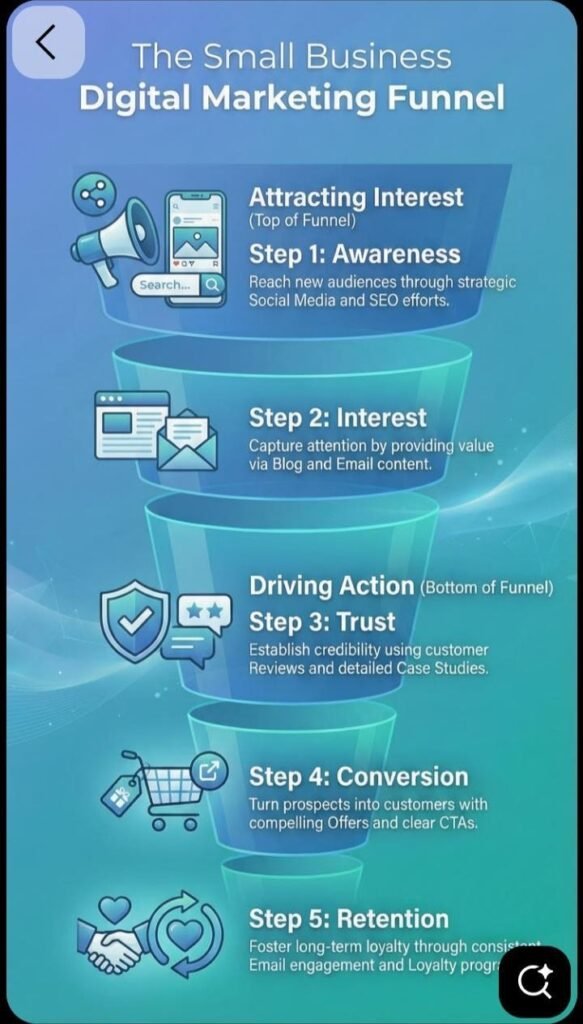
● Internet infrastructure and data costs: Slower average connection speeds mean site speed optimization matters more here than in markets with cheap, fast broadband. A bloated website costs you visitors before marketing even has a chance to work.
● Trust deficit: Nigerian consumers have been burned by scams online, so they research more before buying. This extends the “conversion” stage of the timeline traffic and rankings might arrive on schedule, but converting that traffic into sales can take longer without visible trust signals (reviews, verified badges, clear contact information, active social proof).
● Payment friction: Even after a customer decides to buy, payment failures (declined cards, network issues) can delay the final conversion. This isn’t a marketing problem, but it affects how “results” are measured traffic and leads may be strong while sales lag slightly behind.
● Local competition density: Lagos and Abuja are saturated with digital marketing agencies, fashion brands, and real estate businesses fighting for the same keywords. A business in a smaller city or a more specific niche will typically climb Google rankings faster simply because there’s less competition to out-rank.
Consistency of execution is universal, but especially true in Nigeria. Budget constraints often cause businesses to run a campaign for six weeks. They pause it when cash flow tightens, then restart months later. That stop-start pattern resets momentum and stretches out every timeline in this article.
How To Get Results Faster Without Cutting Corners
● Start with local SEO before broad national SEO. It’s faster to rank and closer to your actual buying customers.
● Publish in clusters, not isolated posts.
Related content that links to itself builds topical authority faster than scattered one-off articles.
● Use paid ads to fund the gap while organic SEO builds. Don’t choose one or the other, run them in parallel so you have leads while your organic foundation matures.
● Fix technical issues first. Site speed, mobile usability, and broken links quietly sabotage every other tactic.
● Be visibly consistent for at least 6 months before judging results. Most businesses that “give up” on digital marketing quit right before the compounding phase begins.
Common Mistakes That Delay Results
Nigerian business owners most often lose time by expecting SEO to behave like paid ads (instant). They change website design or messaging every few weeks before Google has time to evaluate consistency. They ignore Google Business Profile because it isn’t the real website, and they cut campaigns after 4–6 weeks just as paid ads begin to optimize and organic content hasn’t yet indexed.
What Digital Marketing Channel Works Fastest For Small Businesses In Nigeria?
Paid search and social ads deliver the fastest visible results, followed by local SEO through Google Business Profile, which typically shows meaningful movement within 2 to 4 months for service-based businesses.
Final Thought
Digital marketing in Nigeria isn’t slow because something is broken, it’s slow because it’s compounding, and compounding needs a runway.
The businesses that treat the first few months as foundation-building rather than results-chasing are the ones still ranking, still getting inquiries, and still growing eighteen months later, while their impatient competitors have already switched agencies twice looking for a shortcut that doesn’t exist.