
If you’ve searched for digital marketing for beginners, chances are you’ve felt the same thing most people feel when they start: overwhelmed. SEO, PPC, email funnels, social media algorithms, content calendars it all sounds like a language you’re supposed to already know.
But here’s the truth: none of those tools matter if you don’t have a strategy behind them.
A digital marketing strategy is what separates businesses that grow predictably from ones that post randomly and hope something sticks.
In this guide, we’ll break down exactly what a digital marketing strategy is, why it matters, and most importantly how to build one from scratch, even if you’ve never run a single campaign before.
What Is A Digital Marketing Strategy?
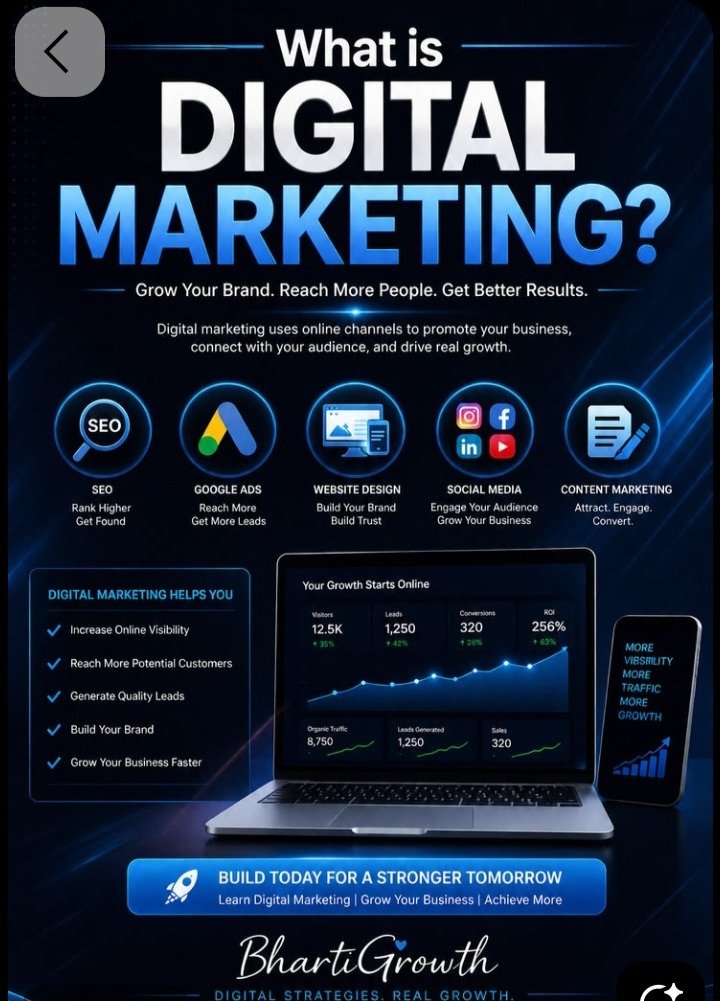
A digital marketing strategy is a documented plan that outlines how a business will use online channels, search engines, social media, email, content, and paid advertising to reach specific, measurable business goals.
It’s not a list of tactics. It’s the reasoning behind the tactics: who you’re trying to reach, what you want them to do, and which channels will get you there most efficiently.
Think of it this way: tactics are the “what” (post on Instagram, run a Google ad, send a newsletter). Strategy is the “why” and “how” that ties all of those actions together into one coherent system aimed at a business outcome: more leads, more sales, more brand awareness, or more repeat customers.
This distinction matters enormously for anyone learning digital marketing for beginners, because most people skip straight to tactics.
They open a TikTok account or boost a Facebook post before they’ve defined who they’re targeting or what success even looks like. That’s backwards, and it’s the single biggest reason beginner campaigns fail to produce results.
What Is Digital Marketing For Beginners, In Simple Terms?
It’s the practice of promoting a business online using channels like search engines, social media, email, and paid ads, guided by a clear plan rather than random posting.
For beginners, the goal is to learn one channel well before expanding to others.
Why Beginners Need A Strategy, Not Just Random Posting
Without a strategy, digital marketing becomes a guessing game. You post when you remember to, run ads without knowing your target cost-per-lead, and measure success by likes instead of revenue.
A strategy fixes this by forcing you to answer four questions before you spend a single dollar or hour:
● Who exactly am I trying to reach?
● What do I want them to do?
● Which channels will actually reach them?
● How will I know if it’s working?
According to HubSpot’s marketing research, a documented digital marketing strategy consistently outperforms an undocumented, reactive approach because it keeps teams focused on measurable outcomes instead of vanity metrics like follower counts.
Digital Marketing Strategy vs. Digital Marketing Plan
These two terms get used interchangeably, but they’re not the same thing:
● Digital marketing strategy is the big-picture direction of your goals, target audience, positioning, and the channels you’ll prioritize.
● Digital marketing plan is the execution layer of specific campaigns, content calendars, budgets, and timelines that bring the strategy to life.
In simple terms: strategy is the destination and the route, while the plan is the turn-by-turn directions. You need both, but you always build the strategy first.
How Long Does It Take To Learn Digital Marketing As A Beginner?
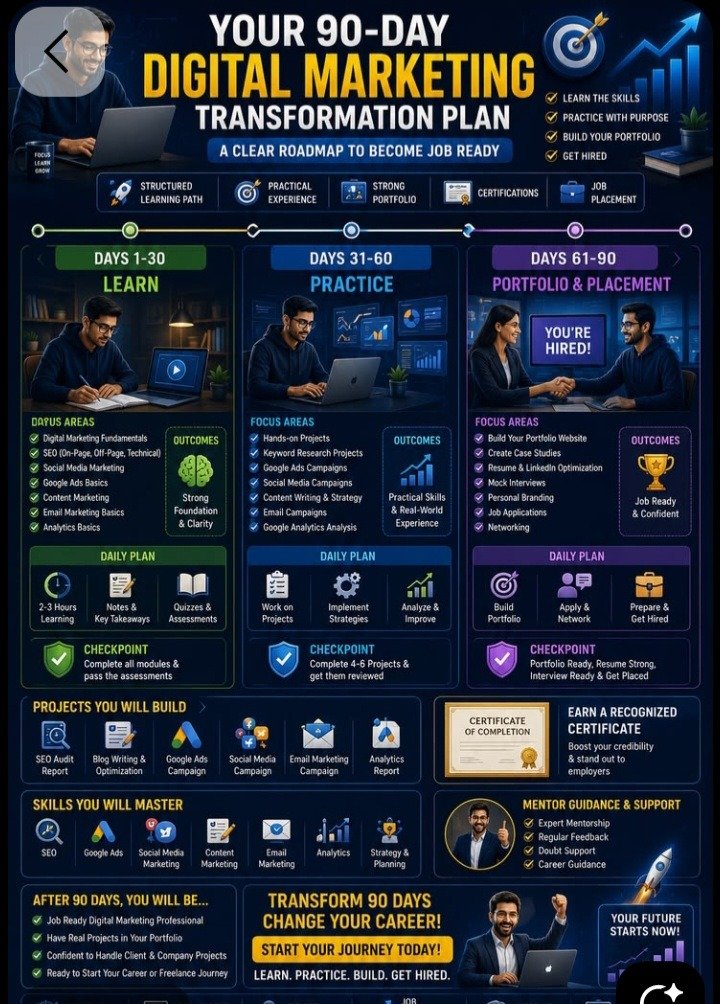
Most people can grasp the fundamentals strategy, SEO basics, social media, and email marketing within one to three months of consistent, hands-on practice.
Mastery of any single channel typically takes six months to a year of active work.
The Core Elements Of A Winning Digital Marketing Strategy
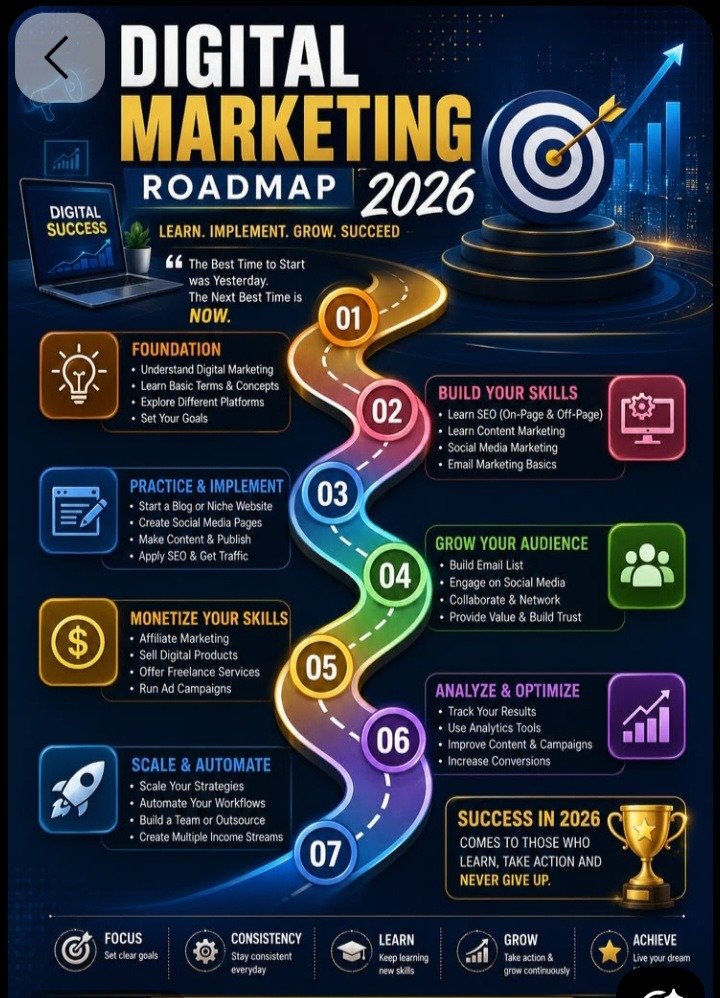
Before jumping into the step-by-step process, it helps to understand the building blocks every solid strategy contains:
- Business goals what: you’re trying to achieve (revenue, leads, sign-ups, awareness)
- Target audience / buyer: personas who you’re trying to reach and what they care about
- Competitive positioning: what makes you different from alternatives your audience could choose instead
- Channel selection: SEO, content, social, email, paid ads, or a mix
- Content strategy: the type of content that will attract and convert your audience
- Budget and resources: what you can realistically spend in time or money
- KPIs and measurement: how you’ll track whether the strategy is working
Every step below maps back to one of these building blocks.
How To Build A Digital Marketing Strategy From Scratch (Step-by-Step)
Step 1: Define Clear, Measurable Goals
Start with the outcome you actually want. “Get more traffic” isn’t a goal, it’s a wish. A real goal looks like: “Generate 50 qualified leads per month within six months” or “Increase online sales by 20% by Q4.” Use the SMART framework Specific, Measurable, Achievable, Relevant, Time-bound so every decision downstream has something concrete to point back to.
Step 2: Research And Understand Your Target Audience
You cannot market effectively to “everyone.” Build one or two buyer personas that capture your ideal customer’s demographics, pain points, buying behavior, and where they spend time online. Ask:
What problem are they trying to solve? What objections do they have before buying? What content or messaging would move them closer to a decision?
This is one of the most overlooked steps for people just getting into digital marketing for beginners, and it’s covered in more depth in this step-by-step beginner’s guide to starting digital marketing, which breaks down how to avoid the common trap of marketing to a vague, undefined audience.
Step 3: Analyze Your Competitors
Look at three to five competitors directly and indirectly. What channels are they active on? What kind of content gets engagement?
Where are the gaps you could fill? Competitor research isn’t about copying; it’s about understanding the landscape so you don’t waste months rediscovering what already works (or doesn’t) in your space.
Step 4: Choose The Right Marketing Channels
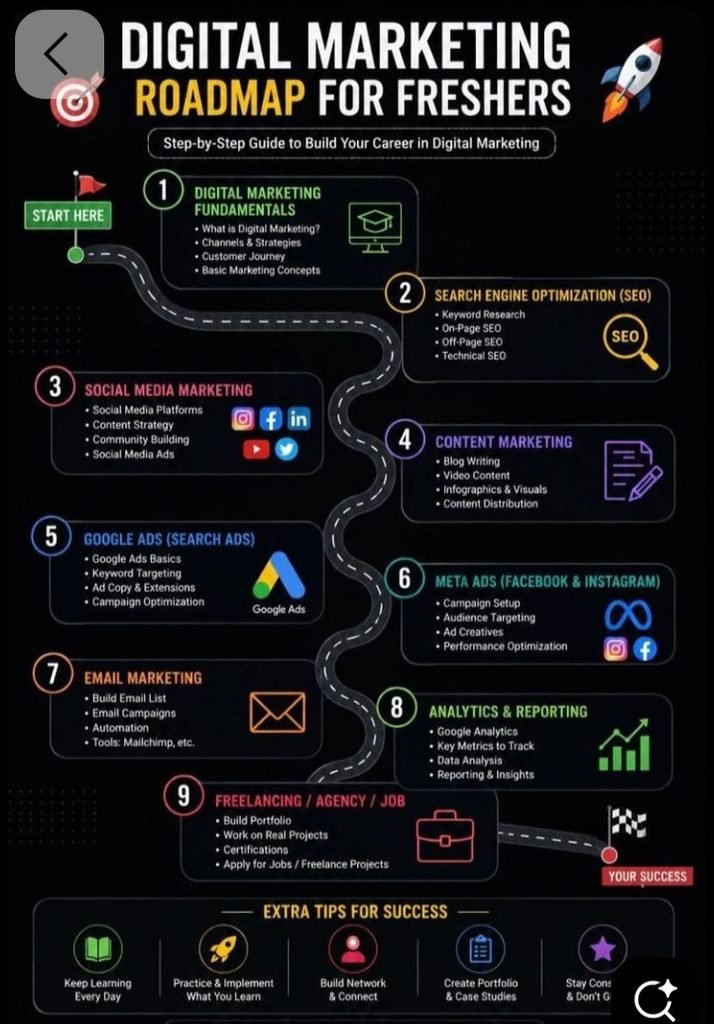
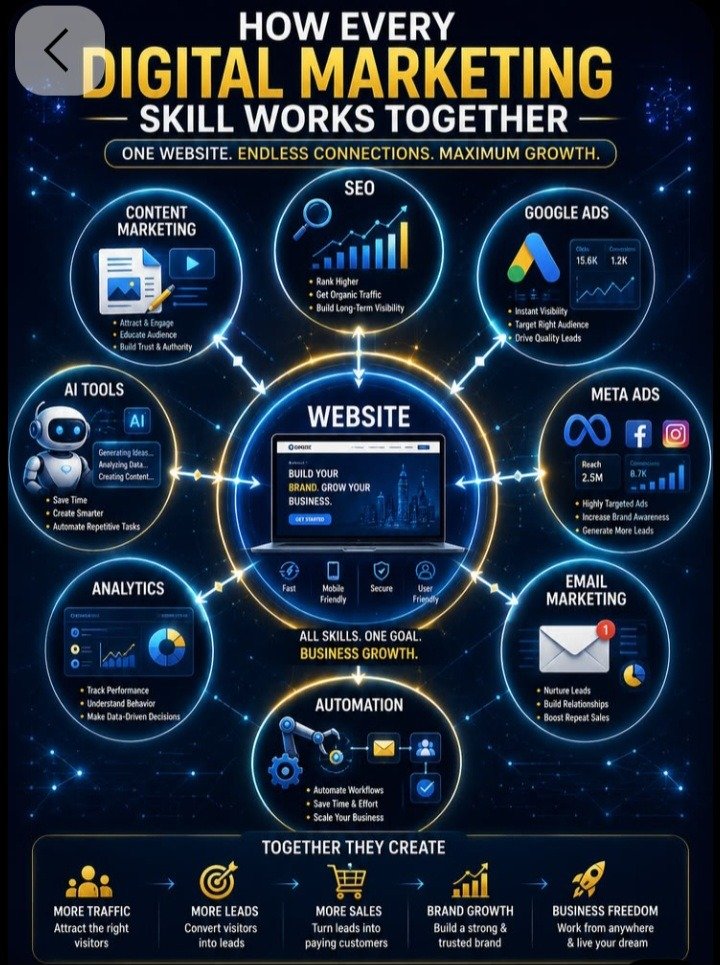
You don’t need to be everywhere. Pick two or three channels based on where your audience actually spends time and what matches your goals:
● SEO and content marketing: best for long-term, compounding organic traffic
● Social media marketing: best for brand awareness and community building
● Email marketing: best for nurturing leads and retaining existing customers
● Paid advertising (PPC): best for fast, targeted visibility while organic channels grow
If local visibility matters to your business, don’t overlook local search. It’s often the fastest win for small and service-based businesses.
This local SEO strategy guide walks through the fundamentals of ranking in local search results, and Stratvora’s breakdown of what SEO actually does for small businesses is a useful companion read if you’re deciding whether SEO deserves a spot in your channel mix.
Step 5: Build Your Content Strategy
Content is the fuel behind almost every digital channel SEO needs it, social media needs it, email needs it. Map your content to the buyer’s journey:
● Awareness stage: blog posts, educational videos, social content
● Consideration stage: comparison guides, case studies, webinars
● Decision stage: testimonials, demos, free trials, consultations
Rather than producing scattered, one-off pieces, many businesses now organize content into topic clusters, a hub of related articles that build authority around a core theme.This guide to building a content hub efficiently explains how to structure content so it compounds in search visibility over time instead of getting buried after a week.
Step 6: Set A Realistic Budget
Your budget doesn’t need to be large, but it needs to be intentional. Break it down across tools, paid advertising, content production, and (if needed) outside help.
A common beginner mistake is spreading a small budget across five channels instead of concentrating it on the one or two channels most likely to move the needle.
Step 7: Pick Your Tools
You don’t need an expensive tech stack to start. A basic toolkit for beginners typically includes:
● A free analytics tool (Google Analytics)
● A keyword research tool (Google Keyword Planner or a premium SEO tool)
● A social media scheduler
● An email marketing platform with a free tier
A simple CRM to track leads
Add complexity only once you’ve proven a channel works.
Step 8: Define KPIs And Set Up Tracking
Every goal from Step 1 needs a corresponding metric. If your goal is leads, track cost-per-lead and conversion rate. If it’s brand awareness, track reach and engagement rate.
If it’s sales, track revenue attributed to each channel. Set up tracking before you launch anything not after so you have a clean baseline to measure against.
Step 9: Launch, Measure, And Optimize
A strategy isn’t a one-time document; it’s a living system. Launch your first campaigns, review performance on a set schedule (weekly or monthly), and adjust based on what the data tells you, not on gut feeling.
Digital marketing success rarely comes from getting everything right the first time; it comes from consistent, data-informed iteration.
Do I Need A Large Budget To Start Digital Marketing?
No. Many core activities SEO, content marketing, organic social media, and email cost little beyond time.
A budget becomes more important once you add paid advertising, but beginners can build real momentum without spending heavily upfront.
Common Mistakes Beginners Make In Digital Marketing Strategy
● Skipping audience research and marketing to “everyone”
● Chasing every channel at once instead of focusing on one or two that fit the audience
● No clear KPIs, so there’s no way to know if anything is actually working
● Inconsistent content, posting sporadically instead of on a sustainable schedule
● Ignoring SEO fundamentals, expecting instant results without understanding realistic timelines, a mistake this SEO timeline breakdown addresses directly, since organic growth typically takes months, not days.
Should You Build It Yourself Or Hire An Agency?
Building your own strategy is entirely possible, especially at a small scale, and doing it yourself first gives you a real understanding of what’s working before you hand anything off.
That said, once your business grows and the channels multiply, many businesses bring in outside expertise to execute faster and avoid costly trial and error.
If you reach that point, it’s worth comparing agencies rather than picking the first one you find this comparison of digital marketing agencies shows what to look for when evaluating a potential partner, and Stratvora’s overview of what digital marketing actually involves is a solid primer if you’re still deciding how much to manage in-house versus outsource.
What’s The Difference Between Digital Marketing And A Digital Marketing Strategy?
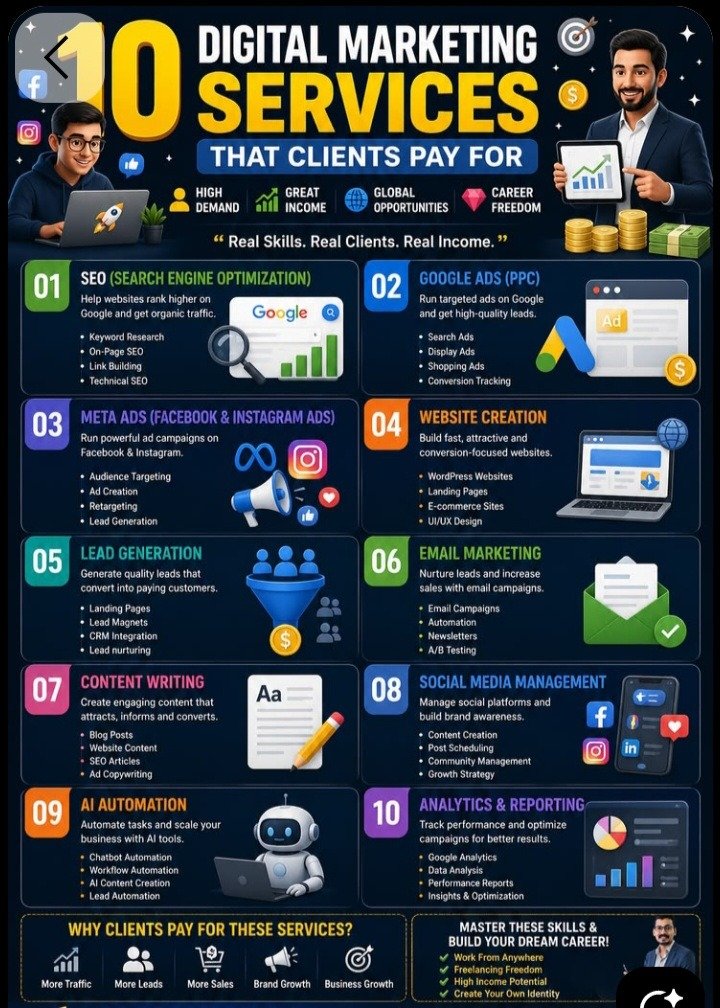
Digital marketing refers to the channels and tactics themselves (SEO, ads, email, social).
A digital marketing strategy is the plan that decides which of those tactics to use, in what order, and why based on specific goals and a defined audience.
Final Thoughts
A digital marketing strategy isn’t about mastering every channel, it’s about being deliberate. Define your goals, understand your audience, pick the channels that fit both, and measure relentlessly.
That’s the entire framework, whether you’re a solo entrepreneur or a growing team. Once you internalize that structure, every tactic you learn afterward SEO, paid ads, email, content becomes a tool you’re using with purpose instead of a trend you’re chasing blindly.
Starting with digital marketing for beginners doesn’t mean starting small in ambition, it just means starting with the right foundation.